We were in the Branson, Missouri area over the holidays, driving around and doing what families do when they’ve been in a car together just long enough for random conversations to surface. As we passed a sign with Mark Twain on it, our youngest, Isaiah—who is in the ninth grade and was driving at the time (yes, fifteen, learner’s permit, pray for us)—looked up and asked, very sincerely, “Who is Mark Twain?”
His sister Shanna and I laughed, assuming this was a joke we hadn’t quite caught yet. We waited for the punchline. It never came. After a few seconds, we realized he was serious. Completely serious. No context. No recognition. No vague sense that this might be someone he should know.
So we tried a few prompts. Tom Sawyer? Blank stare. Huck Finn? Nothing. The Prince and the Pauper? Still nothing. Zero context.
That’s when Allison casually pointed out that she didn’t really know who Mark Twain was either until she got to college. That comment landed a little harder than the original question. For many of us, Mark Twain and authors like him were unavoidable. Their books were required reading, not because they were perfect, but because they mattered. They forced us to engage with difficult language, flawed characters, social injustice, and an American history that is anything but tidy.
Somewhere along the way, we decided that discomfort was best managed through removal. Books disappeared from reading lists because of language, content, or concern over how they might be received. And to be clear, this isn’t about pointing fingers in one political direction. Cancel culture exists on both the red and blue sides. The result, however, is the same.
Most of us read those books, wrestled with them, and managed to survive the experience. For the most part. 😉 The difference wasn’t that the material was comfortable; it was that good educators provided context. They helped us understand why a text was problematic, why it mattered historically, and how to read it critically rather than avoid it entirely.
History doesn’t serve us well when it’s hidden. Studying it isn’t the same as celebrating it, and reading difficult books isn’t the same as endorsing everything in them. When we remove historically significant texts instead of teaching them well, we don’t protect students—we leave gaps. And gaps have consequences.
As Isaiah kept driving, focused on the road ahead, I couldn’t help but think about how quietly removing stories from classrooms also removes the context the next generation needs to understand where we’ve been—and why it matters.
I suppose this is the moment I officially become that “get off my lawn” guy. It was funny at first. It really was. But the longer I thought about it, the more unsettled I became.
Seen by God: Finding Strength When You Feel Unseen
There was a time in my life when I stood at what many would call “the top of my game.” My career was strong. My influence was wide. My schedule was full. And while my calendar overflowed, my spiritual life was quietly starving. I read Scripture, but not deeply. I prayed, but not intimately. My connection with God existed, but it often lived on the surface.
Then, life shifted. Opportunities faded. Influence diminished. The doors that once swung open without resistance suddenly closed. Financial security vanished. My relevance felt questioned. And alongside the professional loss came something even more painful: seasons of feeling unseen, unheard, and forgotten—sometimes even within the places where I sought encouragement and community.
That’s why the raw honesty of Psalm 142:4 resonates deeply with me:
“Look and see, there is no one at my right hand; no one is concerned for me. I have no refuge; no one cares for my life.”
There have been moments when I have related to that cry. Times when I poured myself out and still felt overlooked. Times when I showed up faithfully and left discouraged. Times when silence from others echoed louder than words. And like David, that reality had the power to wound deeply.
But like David, I also learned this: even when we feel unseen by people, God has never stopped seeing us. He has never stopped caring. He has never stopped showing compassion. And even when loneliness whispers that we are forgotten, God remains steadfastly present.
The apostle Paul reminds us in 2 Corinthians 12:9 that the Lord declares,
“My grace is sufficient for you, for My power is made perfect in weakness.”
That verse stopped being theological theory in my life and became reality. In my weakness, God met me. In my loss, He taught me dependence. In uncertainty, He taught me trust. In humility, I discovered His strength in ways I never had before.
Today, I find myself deeper in the Word than I have been in years. I study, not because it is convenient, but because it is life-sustaining. I pray, not casually, but out of true need. I seek Him, not out of habit, but because I know I cannot walk through these seasons without Him.
I recently reflected on my finances and realized that I now make a fraction, literally about a fifth, of what I once did. By human logic, that should not work. Yet somehow, the Lord continues to provide. My family has food. We are clothed. We have shelter. We have peace. God keeps making a way.
Psalm 23:1 declares:
“The Lord is my shepherd; I shall not want.”
I used to read that from comfort. Now I read it from dependence, and its truth has never been more real.
And through it all, I have experienced the tenderness of God’s heart. Psalm 103:13 reminds us:
“As a father has compassion on his children, so the Lord has compassion on those who fear Him.”
Even in the moments when I felt overlooked… He saw me. When I felt invisible… He was near. When discouragement took root… He met me with compassion.
Satan would love to take seasons of loneliness and twist them into lies: “You are forgotten. You are useless. You no longer matter.” But Scripture reminds us otherwise. In our weakness, God’s strength is revealed. In our emptiness, His sufficiency is revealed. In our sense of being unseen, His watchful love is revealed.
So I continue to pray, not simply for restoration, but that God will use my life right where it is. I pray that the testimony of God’s faithfulness in struggle may remind someone else who feels unseen that God still sees them too.
If you are walking through a season like that… If you feel invisible… If it feels like no one stands beside you…
Take courage. God sees you. He hears you. He cares deeply for you. And He is nearer than you think.
Sometimes, it is in the very places we feel the weakest, most overlooked, and most vulnerable that God shows us just how strong, compassionate, and faithful He truly is.
Prayer
Lord, thank You for Your grace that meets me in my weakness and Your strength that sustains me each day. Help me keep my eyes fixed on You, guarding my heart from the lies that tell me my worth is found anywhere but in You. Teach me to lean into You more deeply, especially in seasons of loneliness, need, uncertainty, and humility. Remind me that You see me, You care for me, You are my Shepherd and my compassionate Father, and help me trust that Your presence is enough. Amen.
Recently, I had the opportunity to contribute a chapter to an IGI Global publication titled Building Learning Communities: Collaborative Coaching as a Catalyst for Talent Development in Higher Education. You can read the chapter here: https://www.igi-global.com/chapter/building-learning-communities/389775
The chapter explores a theme that has shaped much of my professional life: the transformative power of coaching and community in higher education. As I reflect on the ideas I shared there, I’m reminded why this work continues to matter to me so deeply.
Shaped by Leadership Roles in Higher Education
Much of what I know about building effective learning communities comes from my years at the University of Alabama and the University of Central Oklahoma. Serving in senior leadership roles at both institutions placed me in environments where collaboration was not just helpful but essential. I learned how teams thrive when people feel empowered to contribute, when communication is intentional, and when leaders invest in others’ growth.
These experiences taught me the importance of developing people through meaningful dialogue, reflective practice, and shared responsibility. The collaborative approaches that were necessary in those roles became foundational to my understanding of how coaching can strengthen teams and enhance institutional culture.
The Heart of the Chapter: People Grow in Community
At the core of the chapter is a simple truth: meaningful development rarely happens in isolation. Whether students, faculty, or staff, individuals thrive when they are supported by intentional communities of learning. Coaching becomes the mechanism that holds these communities together, a structured space where reflection, vulnerability, accountability, and growth are possible.
Throughout my career, I’ve seen institutions invest in new programs, technology, or organizational structures while overlooking the human connections that make these efforts successful. Sustainable improvement begins with people, not systems. Coaching empowers individuals to engage, to question, and to evolve in ways that ultimately strengthen the institution.
Leadership Development Requires More Than Training
One of the arguments I make in the chapter is that leadership development is not a one-time event. It’s a continuous process shaped by dialogue, mentoring, and real relationships. Traditional training has value, but it cannot replace the depth that coaching offers. Through coaching, leaders learn to think critically, to navigate complexity thoughtfully, and to cultivate environments where others can succeed.
This approach builds not only individual capacity but also collective resilience. Institutions marked by trust and reflective practice tend to weather change more effectively.
Why This Matters in Today’s Higher Education Climate
Higher education is experiencing enormous pressure — demographic shifts, economic uncertainty, heightened expectations, and increasing demands for accountability. In such an environment, learning communities anchored in coaching are not optional. They are essential.
They create space for honest dialogue. They help institutions retain talented employees. They nurture student success. And they foster cultures where growth is expected, supported, and celebrated.
These are not theoretical concepts; they are practical approaches that shape institutions and the people who work and learn within them. And while my examples come from higher education, the lessons extend far beyond it. Coaching, collaboration, and intentional community-building have relevance in virtually any organizational setting, making these insights broadly applicable across many professional and leadership environments.
A Continuing Commitment
Writing this chapter was more than an academic exercise. It was a reaffirmation of my lifelong belief in the power of human development. Despite the challenges, the disappointments, and the moments that test one’s sense of purpose, I remain deeply committed to the work of building communities where people can learn, lead, and thrive.
Thank you for engaging with this work. The conversation about coaching, learning, and leadership is ongoing, and I look forward to contributing to it in meaningful ways.
A few days ago, I had an unexpected encounter in my driveway. A man I didn’t immediately recognize approached me and asked, “Do you remember me?” He then reminded me that many years ago, he had brought his daughter to my office. I had worked with her and their family during a time of great need. He shared that because of that support, she is now thriving, excelling in a successful military career and having recently completed law school. He told me their entire family still attributes much of her journey to the help I offered back then. I was humbled beyond words.
After he left, I stood there for a while, reflecting. That moment stirred something deep within me. I realized just how much I miss working with young people, helping them believe in themselves, overcome obstacles, and step confidently into their future. It reminded me of the calling I once lived out daily, and how sacred that work truly was. In those seasons, I don’t think I appreciated fully the weight or beauty of the opportunity I’d been given.
God gave me gifts, and for a time, He opened doors for me to use them in powerful ways. But if I’m honest, there were times when I was so focused on what was next, the next title, the next achievement, the next milestone, that I missed the miracle of the present. I didn’t always “be where my feet were.”
That phrase, “Be where your feet are”, was spoken to Coach Nick Saban as he frequently reminded his players, but it has deep biblical resonance. God has already given us so much: family, health, calling, love, and grace. But if we’re always chasing the next thing, we risk missing what’s already in our hands. One day, we look up, and it’s gone.
Paul understood this tension. He wrote in Philippians 4:12:
“I know what it is to be in need, and I know what it is to have plenty. I have learned the secret of being content in any and every situation…”
Paul didn’t write those words from a place of comfort. He wrote them from prison. Yet he had found the secret to contentment: not in circumstances, but in Christ. His peace didn’t come from what he had or didn’t have. It came from who he belonged to.
That’s the peace I’m seeking now. Looking back, I can see how God walked with me even in the hardest times. I see now that He was teaching me, preparing me, and holding me close even when I didn’t realize it. And though I carry sorrow over what’s lost, I’m learning to also carry deep gratitude for what was, and what still is.
So now, my prayer has changed. I ask God to help me stay rooted in the moment, to treasure the gifts I’ve been given, and to trust Him with both what has passed and what’s still to come. I pray for the strength to be fully where my feet are, and to recognize that even now, God is not done using my story.
If you’re reading this and wrestling with discontentment, I invite you to pause. Ask God to show you what He’s already doing right in front of you. Not in the future. Not in the “what if.” But right now. He’s here. He sees you. And He’s still writing your story.
Prayer: Lord, help me to see the blessings in front of me. Teach me to live fully present, with a heart rooted in contentment and gratitude. Help me to let go of regret and to trust You with my future. Keep my feet grounded in Your purpose, and let me walk forward in peace. Amen.
Yesterday, I lost someone I called both godbrother and fraternity brother, Ronald Gamble. He was complex, like most of us are. Some saw him as prideful, but if you looked closer, you’d see that it was a kind of confidence, perhaps even a shield, shaped by life’s challenges. Regardless of how others perceived him, he loved his people deeply. His community was clear: our fraternity, the brotherhood of Masonry, the teammates he grew up with, and those who stood with him throughout life.
Losing a loved one always prompts reflection. In the wake of his passing, I’ve been thinking about the idea of community—what it means, what it takes, and why it matters.
Community is beautiful, but it’s also messy. It’s not polished or convenient. In John 15:15–16, Jesus calls us friends and tells us that we are appointed to bear lasting fruit. That fruit doesn’t grow in sterile conditions. It grows in dirt, in the joy and grief, in forgiveness and failure, in patience and presence.
True community is like a garden. To grow something real, you have to dig in. You have to get your hands dirty. It means walking alongside others not only in celebration, but also in sorrow. It means forgiving when it’s hard, loving when it’s inconvenient, and choosing connection even when it would be easier to retreat.
John 13:34–35 tells us to love one another as Christ has loved us. That’s not passive love. It’s active, intentional, sacrificial love. It’s the kind of love that forgives. It’s the kind of love that sticks around. And that’s the love I saw in my godbrother, underneath the armor. He may not have always said it, but he showed up, and he belonged to his people.
There’s something sacred in that kind of belonging.
I’ve also been reminded that community requires vulnerability. That’s where real transformation happens, when we allow others to see our imperfections and we choose to love theirs in return. That openness is risky, but without it, we miss out on the fruit of deep, meaningful connection.
So today, I reflect with gratitude for the life of my brother. For his presence in my life and in our shared communities. I reflect, too, on how I can be more present, more forgiving, more loving. Who do I need to forgive? Who do I need to love more boldly? Where do I need to dig deeper into the soil of relationship?
Community is God’s design for growth. It’s not clean or easy. But it’s sacred. And it’s worth it.
As we honor those we’ve lost, may we carry their legacy by cultivating connection, extending grace, and choosing love—even in the mess.
Some songs entertain. Some get stuck in your head. And then there are a few that break you wide open.
That’s what “Only God Knows” by Struggle Jennings and Jelly Roll did to me.
When My Wife Hit Play
I didn’t find the song by accident. My wife sent it to me. She knows me. She knows the roads I’ve walked, the weight I’ve carried, and the unspoken battles I’ve fought. When she shared it, I knew right away that it wasn’t just about music—it was about a message.
“God knows I’ve drank with the Devil / Been as high as the angels…”
That line wasn’t just lyrics. It was a reflection. Of my story. Of seasons of regret, isolation, and struggle. Of doing things I’m not proud of, but still somehow clinging to the hope that redemption is real.
The Line That Broke Me
“No, I ain’t sold my soul / But I damn near came close…”
That one stopped me cold.
I’ve never fully put into words how close I came to letting go—not just of dreams, but of myself. But when I heard those lyrics, it was like someone had finally said the thing I couldn’t. I’ve stood on that line. I’ve questioned my worth. I’ve carried guilt that didn’t leave quietly.
But I never walked alone.
A Light in the Darkness
My wife has been a light through all of it. When I forgot who I was, she reminded me. When I couldn’t see beyond the fog, she pointed toward the horizon.
And maybe most powerfully—she saw this song and saw me. Not the polished version, not the one who keeps going—but the one who almost didn’t.
Sometimes, we don’t need someone to fix us. We just need someone to say, “I see you. I still believe in you.”
That’s what she did. And that’s what God continues to do.
Why I Recorded a Video
I don’t record many personal reflections. But I had to speak on this one.
I sat down and talked about what this song stirred up in me—about survival, grace, the deep need to be seen, and how even when we think no one understands, God does. He knows the entire story—especially the parts we try to hide.
If you’ve ever felt lost, if you’ve ever been close to giving up, if you’re holding on by a thread—you’re not alone.
Tell Your PeopleIf someone has been your light, your steady hand, your reason to keep going—tell them. Let them know they matter. I’m grateful every day for my wife, who has been that for me. And I’m grateful that songs like this exist—to help us say what we sometimes can’t.
Only God knows how far we’ve come. And sometimes, that’s more than enough.
Workplace sabotage can manifest in various forms, including gossip and rumors, undermining colleagues, passive-aggressive behavior, direct confrontations, and exclusion and cliques. Gossip and rumors involve spreading false or harmful information about colleagues, leading to mistrust and hostility. Undermining colleagues means deliberately sabotaging a colleague’s work or reputation by withholding important information or providing incorrect guidance. Passive-aggressive behavior includes using sarcasm, giving the silent treatment, or making backhanded compliments to create a toxic atmosphere. Direct confrontations involve engaging in open arguments or heated discussions that disrupt workflow and increase workplace tensions. Exclusion and cliques entail forming exclusive groups and excluding others, leading to feelings of isolation and resentment.
As a person of color, my professional journey has been marked by distinct experiences. At times, I noticed a difference in how I was treated compared to my peers. Reflecting on these experiences, I acknowledge that while not always the case, there were instances where peers made efforts to create a challenging workplace environment for me. This was unfortunate, and sometimes these actions may have been unintentional. However, in other situations, I perceived these challenges as deliberate acts of workplace sabotage.
I believe sharing my experiences could be valuable to other professionals of color facing similar workplace confrontations perceived as sabotage. It’s important to navigate these situations with awareness and resilience, seeking support and utilizing resources within the organization. Addressing such challenges requires a proactive approach, documenting incidents, seeking guidance from mentors or HR, and advocating for a supportive workplace culture that values diversity and inclusion.
The Unique Impact on People of Color
People of color often experience workplace sabotage differently and more intensely due to systemic biases and racial discrimination. The impact can include increased scrutiny, where people of color face higher levels of skepticism regarding their capabilities and contributions, making them more vulnerable to sabotage. Isolation is another issue, as exclusion from informal networks and social circles within the workplace can limit their access to critical information and opportunities. Stereotyping leads to biased evaluations and unfair treatment, further exacerbating feelings of inadequacy and frustration. Microaggressions, which are subtle, often unintentional comments or actions that reinforce negative racial stereotypes, can undermine confidence and create a hostile work environment.
Examples of Workplace Sabotage Against People of Color
Examples of workplace sabotage against people of color include questioning competence, withholding information, overloading with work, credit stealing, and negative performance reviews. Questioning competence involves doubting or questioning the qualifications and capabilities of people of color, often without basis, undermining their confidence and professional standing. Withholding information is the deliberate exclusion of people of color from important meetings or withholding crucial information that could aid their job performance. Overloading with work means assigning excessive workloads or menial tasks to people of color, making it difficult for them to succeed or advance. Credit stealing occurs when others take credit for the ideas and contributions of people of color, hindering their recognition and career progression. Negative performance reviews involve giving unfairly critical performance reviews based on biased assessments, which can impede career growth and job satisfaction.
I recall one situation where a peer noted that the functional area that I was supervising had encountered a few findings based upon a routine institutional audit. I was shocked as the area always was meticulous in its operations. I did my research and discovered that in this case, they had done everything that they were expected to do also. They had asked for an exception to a policy through another department, and that department had granted the exception. They had the information in writing. I was relieved because the errors seemed to be out of character for the department. When I followed up with the colleague who mentioned the findings to me regarding what I had discovered, they elected to ignore them. They made it a point to report to my supervisor and other institutional leaders that these audit findings had been discovered in one of my areas. The ability to triangulate my findings was not difficult as the individual supervised the department that made the exception. After bringing it up on several occasions, I was literally told that there was nothing that could be done, as “that ship has sailed”.
The Impact of Workplace Sabotage
The consequences of workplace sabotage are far-reaching and can affect both the individual and the organization. Decreased productivity is a significant impact, as the stress and distraction caused by sabotage can lead to decreased focus and efficiency. Lower morale is another consequence, as persistent sabotage can erode morale, leading to disengagement and dissatisfaction among employees. Increased turnover is a likely outcome in a hostile work environment, prompting valuable employees to leave and resulting in higher turnover rates and loss of talent. Health issues can also arise, with prolonged exposure to a toxic work environment causing physical and mental health problems, such as anxiety and depression.
When I have encountered these situations, it has caused a tremendous amount of stress and anger. I tried to navigate through them, but there are some who are very well-equipped in strategizing to create difficult situations for their “colleagues”. Many people of color like me have not been taught this game. They are not ready for these situations. They have not had mentors who have provided them with the reality that these types of games are played. I was naïve enough to believe that if I showed up and tried to do the right things professionally that others would support me. Over time, I realized that these types of things did occur, and it diminished my appreciation of the workplace and those around me who engaged in these situations. The toxicity caused me to have many reservations about trying to collaborate as trust had been deteriorated because of the environment that was created. I spent more time trying to figure out ways to get work done around these individuals rather than being able to be strategic. When employees of color experience these situations, it creates undue stress, second guessing, and overall a lack of desire to exist in the environment.
What to Do If Workplace Sabotage Impacts You
If you are experiencing workplace sabotage, it’s important to take proactive steps to address the situation. Start by documenting incidents of sabotage with specific details, including dates, times, and individuals involved. Keep a record of any emails, messages, or documentation that can support your case. I didn’t do a good job in this area. I wrote things off and continued to try to move forward. No one wants to be the “snitch” as some may perceive it as weakness or that you are not a team player. However, at the end of the day, your ability to be effective in your work is diminished anyway, so why not be proactive in addressing the issue head on.
Consider discussing your concerns with a trusted colleague, mentor, or supervisor who can offer guidance and support. Raising awareness of the issue within the organization can sometimes prompt action to address the sabotage. Talking to mentors and colleagues for support is crucial, even if some may not have the authority to intervene—they can still provide a listening ear. Personally, I struggled in this area because I didn’t share my experiences widely. It’s important to note that those who engage in such behavior are often adept at preemptively shaping a narrative. When you approach your supervisor, they may already have framed the situation in a way that undermines your credibility. It’s unfortunate, but it’s a tactic used by some individuals.
Seeking professional advice or assistance from HR or an employee assistance program (EAP) can also be beneficial. These resources can provide confidential support and guidance on how to navigate the situation effectively. I am delighted to see that there has been more openness by people of color to discuss mental health, but I grew up in an environment where you were perceived as weak if you requested assistance. It was a societal perception, and it was a part of black masculinity. I have since been engaged in much counseling and support, but I left a lot of money/benefits on the table because I did not take advantage of EAP back then. Don’t allow that to happen in your case.
Additionally, prioritize your well-being by practicing self-care and maintaining a healthy work-life balance. Dealing with workplace sabotage can be emotionally draining, so it’s essential to take care of yourself physically and mentally. I always joked that as a black man, my life expectancy is much shorter than other groups. As people of color overall, that tends to be the case. Don’t allow these jobs to kill you. Take care of yourself and establish boundaries. Create physical and mental well-being structures in your life to overcome these challenges.
Lastly, consider exploring your options for recourse within the organization, such as filing a formal complaint or grievance if the sabotage persists and impacts your ability to work effectively. It is not always an easy situation, and it is not the preferred solution, but if you plan to remain at the organization, you have got to put an end to this harassment. Speak up and act to save yourself and your career.
Addressing Workplace Sabotage
You should not be alone in experiencing this type of harassment in the workplace. Your leadership should be proactive in making sure that they are not complicit in allowing this to happen. To combat workplace sabotage, organizations must implement proactive measures. Preventing conflicts in the workplace is as crucial as resolving them. Organizations can achieve this by creating a positive workplace culture that encourages teamwork, trust, and inclusivity, helping employees feel valued and reducing misunderstandings and disputes. Recognizing achievements and fostering camaraderie through team-building activities can further enhance this positive environment. Additionally, providing conflict management training equips employees with skills in communication, negotiation, and emotional intelligence, enabling them to address and resolve conflicts constructively. Such training promotes active listening and empathy, helping employees engage in productive conversations and prevent conflicts from escalating.
Open communication is crucial, encouraging open and honest dialogue about workplace dynamics and conflicts to identify and address sabotage early. Diversity and inclusion initiatives are essential to foster a culture of diversity and inclusion, reducing biases and creating a supportive environment for people of color. Clear policies on acceptable behavior and conflict resolution procedures should be established and enforced. Support systems, such as mentorship programs, should be created to help people of color navigate workplace challenges and build strong professional networks.
Conclusion
Workplace sabotage can significantly hinder the productivity and well-being of employees, particularly people of color who may already face systemic biases and discrimination. By understanding the unique challenges they face and implementing effective strategies to address and prevent sabotage, organizations can create a more inclusive and productive work environment. Open communication, supportive management, and a commitment to diversity and inclusion are key to fostering a harmonious workplace where all employees can thrive. I learned much through my many years of professional experience, but there are many things that as I continue to reflect on this career that I now realize that I still have opportunities to grow. Experiences in the context of workplace sabotage is just one of them.
I am a firm believer that everyone deserves a second chance. In some cases, individuals make mistakes, and once they have completed their “debt to society”, it is important to allow those individuals to reengage with society as employed citizens. However, employment opportunities are limited because potential employers will not consider them because of their past history. I have witnessed this firsthand, but there are organizations that are committed to second chance hiring.
Second chance hiring is a concept that has gained traction in recent years, as employers are recognizing the value of providing opportunities to individuals with a criminal history. By giving these individuals a second chance at employment, companies can not only support their rehabilitation but also benefit from a diverse and inclusive workforce.
Understanding the Concept of Second Chance Hiring
The philosophy behind second chance hiring is rooted in the belief that individuals who have made mistakes in their past should not be permanently penalized. Instead, they should be given the opportunity to reintegrate into society through gainful employment. Second chance hiring recognizes that everyone deserves a chance to rebuild their lives and contribute to society in a meaningful way.
At the heart of second chance hiring is the belief that individuals should not be defined solely by their past mistakes. It acknowledges that people can change and grow, and that they should not be forever stigmatized for their past actions. By offering employment opportunities, employers can make a positive impact in the lives of these individuals, helping them reintegrate into society and become productive members of their communities.
Legal Aspects of Second Chance Hiring
When considering second chance hiring, employers must navigate through various legal considerations. These include compliance with anti-discrimination laws, understanding the implications of background checks, and assessing individual circumstances when making employment decisions. It is important for employers to familiarize themselves with the relevant laws and consult with legal professionals to ensure compliance.
Moreover, second chance hiring can also have a positive impact on the overall community. By providing opportunities for individuals with criminal records or past mistakes, employers contribute to reducing recidivism rates and promoting a safer society. When individuals are given a second chance through employment, they are less likely to reoffend and more likely to become law-abiding citizens who positively contribute to their neighborhoods and society at large.
Supporting Second Chance Employees
Another crucial aspect of second chance hiring is providing support and resources for employees who are transitioning back into the workforce. Employers can offer mentorship programs, counseling services, and training opportunities to help these individuals succeed in their roles and continue on a path of personal and professional growth. By investing in the well-being and development of second chance employees, companies not only benefit from a diverse and dedicated workforce but also play a role in breaking the cycle of incarceration and poverty.
During my time in Oklahoma, I was on the board of the Urban League, which did frequent expungement events to provide individuals with criminal records with opportunities to eliminate their criminal record as a barrier to employment. Goodwill Industries provides a variety of programming focused on job training and interview preparations. These organizations, as well as many other nonprofits and employers already engaged in this work, can provide support to organizations as they develop infrastructure to engage in second chance hiring.
The Benefits of Second Chance Hiring
Embracing second chance hiring can have numerous benefits for both employers and employees. Through my research, the benefits far exceed the drawbacks of employers developing second chance hiring.
Boosting Diversity and Inclusion
First, second chance hiring not only boosts diversity and inclusion within a company but also contributes to the overall social impact. By giving individuals with criminal records a chance at employment, organizations can actively participate in the rehabilitation and reintegration of marginalized populations. This commitment to social responsibility can enhance the company’s reputation and demonstrate a genuine dedication to making a positive difference in society.
By hiring individuals with diverse backgrounds, including those with criminal records, companies can foster a more inclusive and diverse workforce. This diversity of experiences and perspectives can lead to increased innovation, creativity, and problem-solving within the organization.
Furthermore, embracing diversity and inclusion through second chance hiring can open up new market opportunities for businesses. By reflecting the diversity of their customer base in their workforce, companies can better understand and cater to the needs of a wide range of consumers. This inclusive approach not only drives business growth but also strengthens customer loyalty and brand reputation.
Filling Labor Gaps
Second chance hiring can provide employers with access to a pool of talented individuals who may have difficulty finding employment elsewhere. This can be particularly beneficial in industries facing labor shortages or skilled worker gaps. By tapping into this talent pool, companies can address their staffing needs while helping individuals rebuild their lives.
Moreover, by investing in training and development programs for employees with criminal records, companies can nurture a skilled workforce that is loyal and dedicated. Consistently, these individuals often demonstrate a strong work ethic and a commitment to personal growth, making them valuable assets to the organization in the long run.
Reducing Recidivism Rates
Research has shown that employment plays a crucial role in reducing recidivism rates among individuals with criminal records. By providing stable employment opportunities, companies can help break the cycle of reoffending, contributing to safer communities and reducing the burden on the criminal justice system.
Additionally, by offering support services such as mentorship programs, counseling, and career advancement opportunities, companies can empower their employees to overcome challenges and build a brighter future. This holistic approach to employee development not only benefits the individual but also creates a positive impact on their families and communities, fostering a cycle of success and social upliftment.
Challenges in Second Chance Hiring
Implementing a second chance hiring strategy can bring significant benefits to organizations, individuals, and society as a whole. However, while second chance hiring offers many benefits, there can be challenges associated with implementing such a strategy.
Overcoming Stigma and Bias
One of the main challenges in second chance hiring is addressing the stigma and biases associated with individuals who have a criminal history. Employers may face resistance from colleagues or customers who harbor negative perceptions or fears. Educating employees, promoting open dialogue, and highlighting success stories can help overcome these barriers.
It is important for employers to recognize that individuals with criminal records often possess valuable skills and experiences that can contribute positively to the workplace. By focusing on the individual’s qualifications and potential for growth, employers can shift the narrative away from stereotypes and towards opportunities for redemption and success.
Addressing Legal Concerns
Employers must navigate the legal landscape surrounding second chance hiring, ensuring compliance with anti-discrimination laws and fair hiring practices. It is crucial to carefully evaluate candidates based on their qualifications, skills, and potential for success in the role while being mindful of any legal constraints or responsibilities.
Additionally, creating clear and transparent policies regarding second chance hiring can help mitigate legal risks and ensure consistency in decision-making processes. By establishing guidelines that promote fairness and equal opportunity, employers can demonstrate their commitment to inclusivity and compliance with legal standards.
Ensuring Workplace Safety
While providing opportunities for individuals with criminal records, it is essential for employers to prioritize the safety and wellbeing of all employees. Implementing robust screening procedures, providing appropriate training and support, and creating a culture of accountability can help maintain a safe and inclusive work environment.
Employers can also foster a sense of community and mutual respect among employees, regardless of their backgrounds, to promote a positive and collaborative workplace culture. By emphasizing the importance of teamwork and communication, organizations can create a supportive environment where all employees feel valued and empowered to succeed.
Final Thoughts on Implementing a Second Chance Hiring Strategy
Employers need a solid plan to effectively implement a second chance hiring strategy. This plan should be informed by change management strategies and industry best practices, which we will explore in detail.
Creating an Inclusive Hiring Policy
Developing an inclusive hiring policy that explicitly addresses second chance hiring can help guide the recruitment and selection process. This policy should outline the company’s commitment to providing opportunities for individuals with criminal records, while ensuring fair and consistent evaluation of all candidates.
When creating an inclusive hiring policy, it is important for employers to consider the specific needs and challenges faced by individuals with criminal records. This may involve collaborating with community organizations or legal experts to ensure that the policy is comprehensive and legally compliant. By taking a proactive approach to address potential barriers, employers can create a hiring process that is fair, transparent, and supportive of second chance candidates.
Training and Development for Second Chance Employees
Providing comprehensive training and development programs tailored to the unique needs of second chance employees can support their successful reintegration into the workforce. This may include mentoring programs, skills development initiatives, and ongoing support to ensure their continued growth and success.
When designing training and development programs, employers should consider the specific skills and knowledge gaps that second chance employees may have. Offering targeted training in areas such as job-specific skills, communication, and conflict resolution can help these individuals build a strong foundation for success in their new roles. Additionally, providing access to ongoing professional development opportunities can empower second chance employees to continue growing and advancing in their careers.
Building Supportive Work Environments
Creating a supportive and inclusive work environment is crucial for the long-term success of second chance employees. This can be achieved by promoting open communication, fostering a culture of empathy and understanding, and providing resources for personal and professional development.
Employers can foster a supportive work environment by implementing policies and practices that promote work-life balance, mental health support, and employee well-being. Additionally, creating opportunities for second chance employees to connect with mentors or employee resource groups can provide them with a sense of belonging and support. By prioritizing the well-being and growth of all employees, including those with criminal records, employers can create a workplace that values diversity and inclusivity.
Finally, do additional searches on “second chance hiring” or “fair chance hiring” to find more resources to create a successful strategy. Also, many state and local chambers have created coalitions of employers who share best practices in implementing and maintaining successful second chance hiring strategies.
Conclusion
In conclusion, second chance hiring offers a unique opportunity for employers to make a positive impact on individuals’ lives while benefiting from a diverse and talented workforce. By understanding the concept, embracing the benefits, and addressing the challenges, companies can implement an effective second chance hiring strategy that supports both individual and organizational growth. Learning about these efforts have been beneficial to me in many ways.
In recent years, the acronym “DEI” – Diversity, Equity, and Inclusion – has become a staple in conversations across various domains, from corporate boardrooms to academic circles and beyond. It represents an aspirational vision of a society where every individual, irrespective of their background, identity, or circumstances, is afforded equitable opportunities and esteemed for their unique perspectives. Yet, within the fervor surrounding DEI, a divide has emerged, marked by misunderstanding, polarization, and controversy.
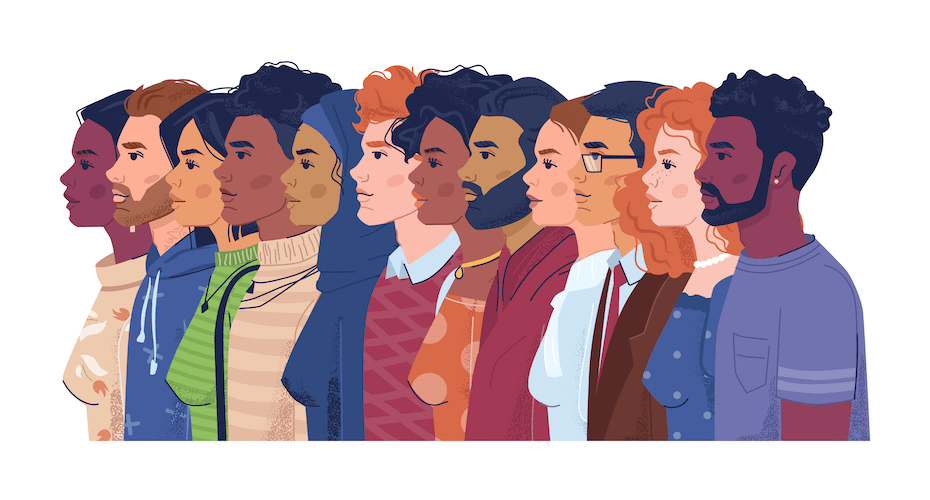
At its essence, DEI is a celebration of human diversity. It encompasses visible dimensions like race, ethnicity, gender, age, and physical abilities, as well as invisible aspects such as sexual orientation, socioeconomic status, and cognitive diversity. However, a significant challenge arises when DEI initiatives focus solely on race and ethnicity, neglecting other vital facets of diversity.
Personal anecdotes can shed light on the multifaceted nature of diversity. For instance, as a black male who also wears hearing aids due to a hereditary hearing loss, I embody characteristics falling into both the racial and physical abilities diversity categories. While many may recognize my race, my hearing impairment often goes unnoticed. This illustrates the need for a comprehensive understanding of diversity that extends beyond superficial attributes.
In practical terms, equity ensures that individuals receive tailored support to achieve fairness. It involves identifying and addressing systemic barriers that perpetuate disparities in access, opportunity, and outcomes. Achieving equity requires dismantling structures of oppression and ensuring that everyone has what they need to thrive. For example, in my workplace, awareness of my hearing loss is essential for equitable engagement. Colleagues who understand my limitations can facilitate effective communication and mitigate potential safety risks. However, creating equitable opportunities requires not only awareness but also a willingness to accommodate diverse needs.
Inclusion completes the DEI triad, fostering environments where all individuals feel valued and respected. It involves fostering a sense of belonging and empowerment among diverse groups, promoting collaboration, and amplifying marginalized voices. Inclusive spaces not only tolerate diversity but actively leverage it to drive innovation, creativity, and productivity. Despite my hearing loss, I experience a sense of belonging in my workplace, thanks to colleagues who prioritize inclusive practices. Their efforts to accommodate my needs without marginalizing me reinforce the importance of genuine inclusion.
The DEI Outcry
Despite its transformative potential, DEI has become mired in controversy and division. Misinformation and misconceptions abound, perpetuated by fear, resistance to change, and political agendas. Additionally, some view DEI as a threat to their status or comfort, fearing that prioritizing diversity may come at their expense.
Furthermore, the weaponization of DEI rhetoric exacerbates tensions, alienating potential allies and hindering constructive dialogue. Accusations of creating hierarchies of oppressor and oppressed only serve to deepen divisions and stifle progress.
In today’s polarized climate, discussions about DEI often descend into echo chambers, where opposing viewpoints are demonized, and constructive dialogue is stifled. Overcoming this polarization requires a commitment to fostering understanding, empathy, and collaboration.
Through constructive dialogue and education, we can dispel misconceptions and foster a more nuanced understanding of DEI. By recognizing the complexity of diversity, equity, and inclusion, we can transcend divisive narratives and work towards a more equitable and inclusive society.
Navigating the DEI landscape requires embracing complexity and overcoming division. By acknowledging the multifaceted nature of diversity, promoting equitable opportunities, and fostering genuine inclusion, we can realize the transformative potential of DEI and create a more just and inclusive world for all.
Returning to the True Purpose
Expanding on the complexities of DEI, it’s crucial to delve deeper into each component and explore their interconnections. Diversity, as mentioned earlier, encompasses a broad spectrum of attributes, both visible and invisible. While race and ethnicity often dominate discussions on diversity, other dimensions such as gender identity, sexual orientation, disability status, and socioeconomic background are equally important.
Recognizing and celebrating this diversity requires a shift from tokenistic representation to genuine inclusion. In workplaces, for instance, diversity should not be reduced to mere demographics on a spreadsheet. My race, my gender, my physical abilities all contribute to my reality – the essence of who I am. True diversity involves creating environments where individuals feel empowered to bring their authentic selves to work, knowing that their unique perspectives are valued and respected.
Equity, the second pillar of DEI, serves as a corrective lens to address historical and systemic injustices. While equality aims to treat everyone the same, equity acknowledges that fairness may require different levels of support for individuals facing unequal starting points. This could manifest in targeted interventions such as proactive diverse recruitment programs focused on qualified candidates, mentorship initiatives, or accommodations for individuals with disabilities. We can be advocates for one another by acknowledging that there are not equal opportunities to be successful considering our backgrounds.
However, equity efforts often face resistance from those who perceive them as preferential treatment or reverse discrimination. This resistance highlights the need for education and dialogue to debunk myths and foster understanding. Equity is not about taking away from one group to give to another but rather about leveling the playing field and addressing systemic barriers that perpetuate inequality.
Inclusion is the glue that binds diversity and equity together. Inclusive environments go beyond mere tolerance of differences to actively embracing and leveraging them for collective growth. Inclusion involves creating spaces where everyone feels welcomed, valued, and empowered to contribute to their full potential. This requires deliberate efforts to dismantle exclusionary practices and foster a culture of belonging.
One key aspect of inclusion is psychological safety, where individuals feel comfortable taking risks, expressing dissenting opinions, and being vulnerable without fear of judgment or reprisal. Psychological safety fosters creativity, innovation, and collaboration, essential ingredients for organizational success in today’s complex and rapidly changing world.
Concluding Thoughts
Despite the transformative potential of DEI, its implementation is often met with resistance and backlash. Some critics argue that DEI initiatives prioritize diversity quotas over meritocracy or undermine individual agency by categorizing people based on immutable characteristics. Others fear that DEI efforts may inadvertently perpetuate stereotypes or create divisions within communities.
Addressing these concerns requires a nuanced approach that balances the principles of DEI with broader societal values such as meritocracy, individuality, and unity. DEI is not about replacing one form of discrimination with another but about creating environments where everyone has equal opportunities to succeed based on their merits and contributions.
Moreover, DEI is not a zero-sum game where one group’s gain comes at the expense of another’s loss. On the contrary, research has shown that diverse and inclusive organizations outperform their homogeneous counterparts in terms of innovation, decision-making, and financial performance. By embracing DEI, organizations can tap into the full spectrum of human potential and drive sustainable growth and prosperity.
In conclusion, DEI represents a paradigm shift in how we approach diversity, equity, and inclusion in society. By acknowledging the complexities of human identity, addressing systemic barriers to equality, and fostering inclusive environments where everyone feels valued and respected, we can unlock the full potential of DEI and create a more just, equitable, and inclusive world for all.
Embarking on a professional journey that traverses the ivory towers of higher education to the bustling tech hubs of Silicon Valley has been a profound experience. My transition has been marked by the transformative force of artificial intelligence (AI), a wave that is not only reshaping the landscape of technology but also poised to revolutionize the very fabric of higher education. As I reflect on this personal odyssey, I recognize the symbiotic relationship between these two worlds, where AI is not just a technological advancement, but a dynamic force set to redefine the nature of work and learning. In this exploration, I delve into the profound impact of AI in higher education, drawing insights from my experiences in both academia and the tech industry.
THE PROMISE OF AI IN HIGHER EDUCATION
The integration of artificial intelligence in higher education holds the promise of a paradigm shift, redefining the way we teach, learn, and administrate. My journey from the academic realm to the tech industry has allowed me to witness firsthand the transformative power of AI in enhancing educational experiences and administrative efficiency.
Personalized Teaching and Prompt Feedback
The heart of AI in education lies in its ability to create personalized learning experiences that cater to individual student needs. Adaptive learning algorithms analyze student performance, identifying strengths and weaknesses, and dynamically adjusting instructional content. This not only fosters a more inclusive learning environment but also provides prompt feedback, allowing students to track their progress and address challenges in real time.
In my experience in higher education, this personalized approach has the potential to unlock each student’s unique learning style. It goes beyond a one-size-fits-all model, acknowledging that students have diverse needs and learning paces. As educators, we can leverage AI to tailor content delivery, ensuring that students receive the support they need precisely when they need it.
Automation of Administrative Tasks
Administrative tasks have long been a significant aspect of higher education, often requiring considerable time and effort. AI presents a transformative solution by automating routine tasks, such as admissions processes and data analysis. This not only streamlines operations but also frees up valuable time for faculty and administrators to focus on more strategic and impactful aspects of their roles.
My experience transitioning to the tech industry emphasized the efficiency gains brought about by AI-driven automation. Tasks that were once time-consuming and resource-intensive can now be accomplished with speed and precision. This shift allows educational institutions to redirect resources towards enhancing the overall quality of education, investing in faculty development, and enriching the student experience.
Developing New Skills in the Age of AI
The impending AI revolution in education necessitates a paradigm shift in the skills students need to thrive in the workforce. As someone who transitioned from academia to the tech industry, I understand the importance of equipping students with the skills necessary to navigate this new educational landscape effectively.
Educator’s Role in Skill Development
To prepare for this AI-driven reality, educators must themselves master a new skill set relevant to AI and, in turn, impart these skills to their students. My journey underscores the necessity of staying abreast of technological advancements, continuously updating skills, and fostering a culture of lifelong learning.
Educators play a pivotal role in guiding students toward mastering skills such as effective prompt engineering. Crafting questions that extract valuable insights from AI platforms becomes a critical skill in an era where interaction with intelligent technologies is becoming increasingly prevalent. This skill not only empowers students to leverage AI for their benefit but also positions them as adept navigators of the evolving digital landscape.
Leveraging Learning Experience Platforms (LXPs)
Learning Experience Platforms (LXPs) are emerging as essential tools in the AI-driven education landscape. These platforms leverage adaptive learning and AI processes to detect when students face challenges with the material and customize courses accordingly. Higher education institutions, drawing from my experiences in both academia and the tech industry, can harness LXPs to facilitate a seamless collaboration between faculty and AI, ensuring a more effective and personalized learning experience.
My transition to the tech industry highlighted the importance of leveraging technology for enhanced learning experiences. LXPs provide a dynamic platform where educators can integrate AI seamlessly into their teaching methodologies. The ability to detect and address students’ learning challenges in real-time not only improves academic outcomes but also enhances the overall educational experience.
COLLABORATION, NOT CONFRONTATION
The future of higher education lies in collaboration, not confrontation, with AI. As AI increasingly becomes an integral part of the educational journey, schools must adopt a proactive approach. My journey from higher education to the tech world has emphasized the need for educators to view AI as an ally rather than an adversary.
Fostering Collaboration
Higher education institutions can facilitate this collaboration by supporting faculty as they navigate the challenges of working hand-in-hand with AI models. Seminars, workshops, and ongoing training programs can bridge the knowledge gap, empowering educators to incorporate AI seamlessly into their teaching methodologies.
My experiences underscore the importance of fostering a culture where educators feel supported in their collaboration with AI. Understanding the intricacies of AI models, learning to interpret the insights they provide, and effectively integrating them into the curriculum require ongoing training and support. Institutions can play a vital role in creating spaces for collaboration, ensuring that faculty members have the resources and knowledge needed to harness the full potential of AI in education.
Making AI Collaboration a Success
As AI becomes an inherent part of the educational ecosystem, it is essential for higher education institutions to provide robust support systems for faculty. This involves not only technical training but also addressing the ethical considerations and privacy concerns associated with AI in education.
My journey has illuminated the need for a comprehensive approach to AI integration, one that goes beyond technical training. Educators must navigate the ethical considerations of using AI, ensuring that its implementation aligns with principles of responsible and ethical use. Institutions can provide guidance on navigating privacy concerns, creating a framework that ensures the responsible and secure utilization of student data within AI-driven educational systems.
THE TRANSFORMATIVE JOURNEY CONTINUES
In conclusion, the journey from academia to the tech world has provided a unique perspective on the transformative impact of AI in higher education. As we stand on the precipice of an AI-driven era, it is clear that faculty, administrators, and students must adapt to a new educational landscape. AI is not just here to stay; it is an integral part of the future of education.
The collaboration between humans and intelligent technologies is inevitable, and higher education institutions must not only embrace this new challenge but also proactively support their faculty in navigating this transformative wave. By doing so, institutions can ensure that the alliance between educators and AI models is not only successful but also aligned with the principles of responsible, ethical, and student-centric use. The transformative journey continues, and the future of education is intricately woven with the dynamic tapestry of artificial intelligence. As we navigate this wave, let us remember that the collaboration between human intellect and artificial intelligence has the potential to reshape education, making it more personalized, efficient, and responsive to the needs of the learners of tomorrow.







 The word from the Pope