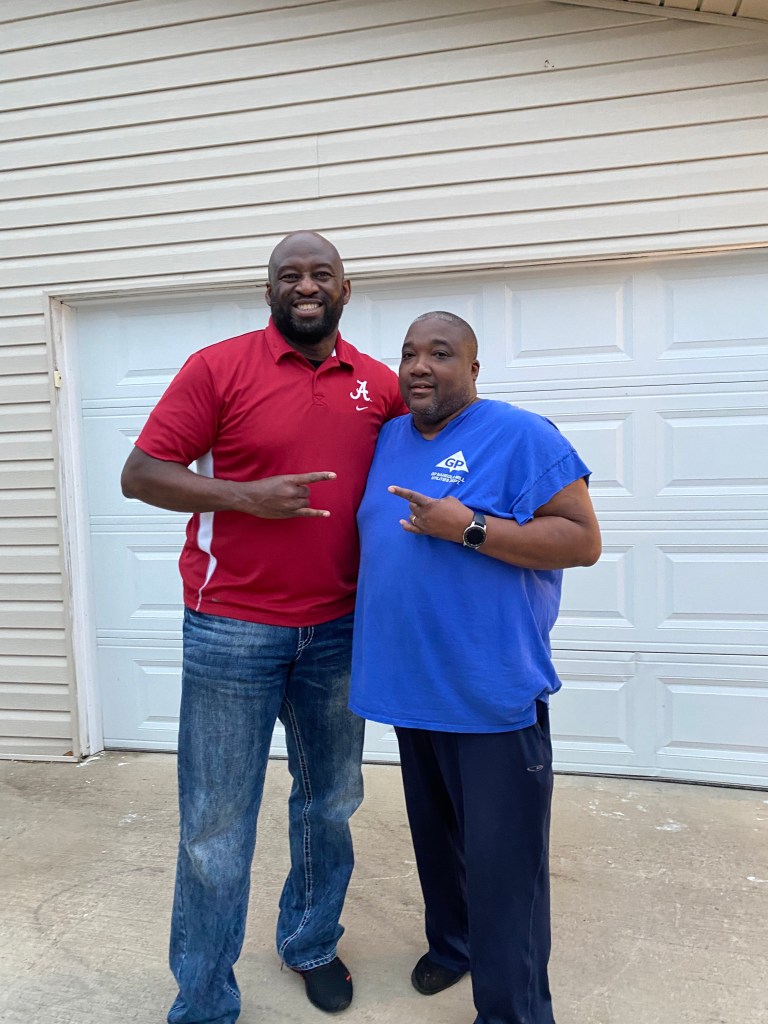
Yesterday, I lost someone I called both godbrother and fraternity brother, Ronald Gamble. He was complex, like most of us are. Some saw him as prideful, but if you looked closer, you’d see that it was a kind of confidence, perhaps even a shield, shaped by life’s challenges. Regardless of how others perceived him, he loved his people deeply. His community was clear: our fraternity, the brotherhood of Masonry, the teammates he grew up with, and those who stood with him throughout life.
Losing a loved one always prompts reflection. In the wake of his passing, I’ve been thinking about the idea of community—what it means, what it takes, and why it matters.
Community is beautiful, but it’s also messy. It’s not polished or convenient. In John 15:15–16, Jesus calls us friends and tells us that we are appointed to bear lasting fruit. That fruit doesn’t grow in sterile conditions. It grows in dirt, in the joy and grief, in forgiveness and failure, in patience and presence.
True community is like a garden. To grow something real, you have to dig in. You have to get your hands dirty. It means walking alongside others not only in celebration, but also in sorrow. It means forgiving when it’s hard, loving when it’s inconvenient, and choosing connection even when it would be easier to retreat.
John 13:34–35 tells us to love one another as Christ has loved us. That’s not passive love. It’s active, intentional, sacrificial love. It’s the kind of love that forgives. It’s the kind of love that sticks around. And that’s the love I saw in my godbrother, underneath the armor. He may not have always said it, but he showed up, and he belonged to his people.
There’s something sacred in that kind of belonging.
I’ve also been reminded that community requires vulnerability. That’s where real transformation happens, when we allow others to see our imperfections and we choose to love theirs in return. That openness is risky, but without it, we miss out on the fruit of deep, meaningful connection.
So today, I reflect with gratitude for the life of my brother. For his presence in my life and in our shared communities. I reflect, too, on how I can be more present, more forgiving, more loving. Who do I need to forgive? Who do I need to love more boldly? Where do I need to dig deeper into the soil of relationship?
Community is God’s design for growth. It’s not clean or easy. But it’s sacred. And it’s worth it.
As we honor those we’ve lost, may we carry their legacy by cultivating connection, extending grace, and choosing love—even in the mess.

 The word from the Pope