Can I rant a little? I’m going to anyway. 😉
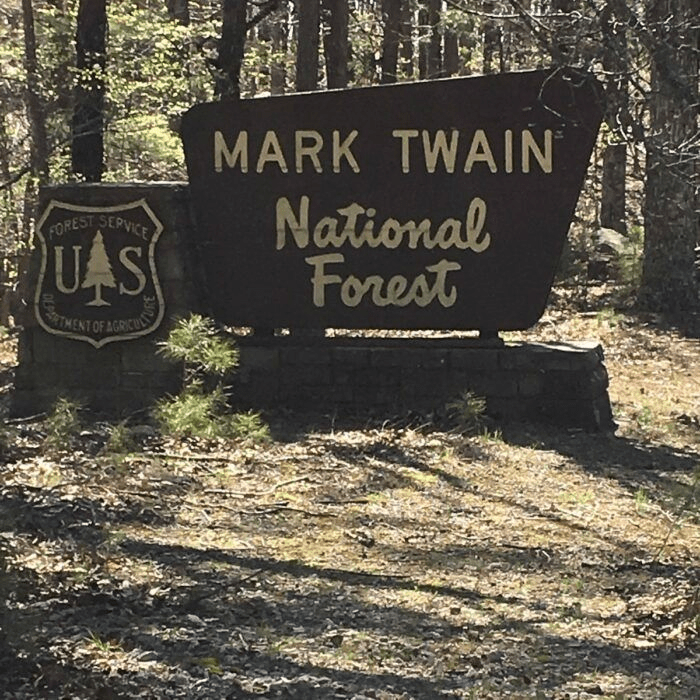
We were in the Branson, Missouri area over the holidays, driving around and doing what families do when they’ve been in a car together just long enough for random conversations to surface. As we passed a sign with Mark Twain on it, our youngest, Isaiah—who is in the ninth grade and was driving at the time (yes, fifteen, learner’s permit, pray for us)—looked up and asked, very sincerely, “Who is Mark Twain?”
His sister Shanna and I laughed, assuming this was a joke we hadn’t quite caught yet. We waited for the punchline. It never came. After a few seconds, we realized he was serious. Completely serious. No context. No recognition. No vague sense that this might be someone he should know.
So we tried a few prompts. Tom Sawyer? Blank stare. Huck Finn? Nothing. The Prince and the Pauper? Still nothing. Zero context.
That’s when Allison casually pointed out that she didn’t really know who Mark Twain was either until she got to college. That comment landed a little harder than the original question. For many of us, Mark Twain and authors like him were unavoidable. Their books were required reading, not because they were perfect, but because they mattered. They forced us to engage with difficult language, flawed characters, social injustice, and an American history that is anything but tidy.
Somewhere along the way, we decided that discomfort was best managed through removal. Books disappeared from reading lists because of language, content, or concern over how they might be received. And to be clear, this isn’t about pointing fingers in one political direction. Cancel culture exists on both the red and blue sides. The result, however, is the same.
Most of us read those books, wrestled with them, and managed to survive the experience. For the most part. 😉 The difference wasn’t that the material was comfortable; it was that good educators provided context. They helped us understand why a text was problematic, why it mattered historically, and how to read it critically rather than avoid it entirely.
History doesn’t serve us well when it’s hidden. Studying it isn’t the same as celebrating it, and reading difficult books isn’t the same as endorsing everything in them. When we remove historically significant texts instead of teaching them well, we don’t protect students—we leave gaps. And gaps have consequences.
As Isaiah kept driving, focused on the road ahead, I couldn’t help but think about how quietly removing stories from classrooms also removes the context the next generation needs to understand where we’ve been—and why it matters.
I suppose this is the moment I officially become that “get off my lawn” guy. It was funny at first. It really was. But the longer I thought about it, the more unsettled I became.
I digress.
 The word from the Pope