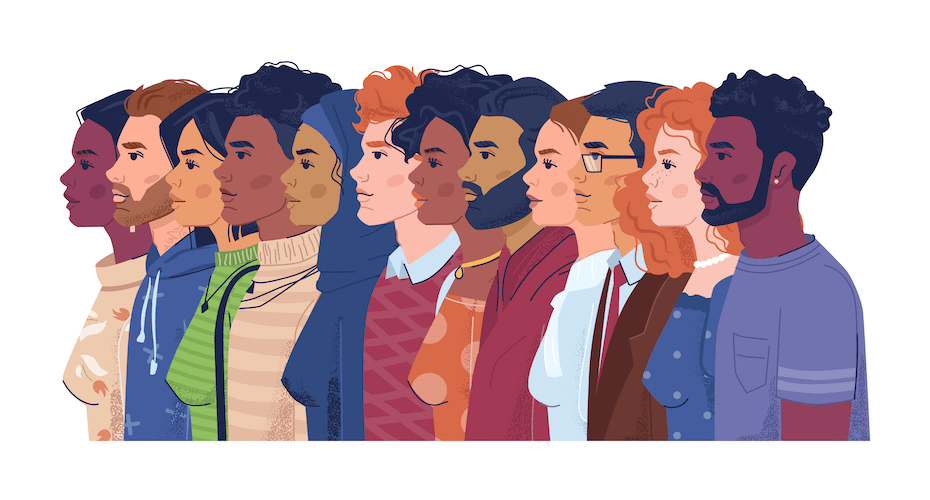
In recent years, the acronym “DEI” – Diversity, Equity, and Inclusion – has become a staple in conversations across various domains, from corporate boardrooms to academic circles and beyond. It represents an aspirational vision of a society where every individual, irrespective of their background, identity, or circumstances, is afforded equitable opportunities and esteemed for their unique perspectives. Yet, within the fervor surrounding DEI, a divide has emerged, marked by misunderstanding, polarization, and controversy.
At its essence, DEI is a celebration of human diversity. It encompasses visible dimensions like race, ethnicity, gender, age, and physical abilities, as well as invisible aspects such as sexual orientation, socioeconomic status, and cognitive diversity. However, a significant challenge arises when DEI initiatives focus solely on race and ethnicity, neglecting other vital facets of diversity.
Personal anecdotes can shed light on the multifaceted nature of diversity. For instance, as a black male who also wears hearing aids due to a hereditary hearing loss, I embody characteristics falling into both the racial and physical abilities diversity categories. While many may recognize my race, my hearing impairment often goes unnoticed. This illustrates the need for a comprehensive understanding of diversity that extends beyond superficial attributes.
In practical terms, equity ensures that individuals receive tailored support to achieve fairness. It involves identifying and addressing systemic barriers that perpetuate disparities in access, opportunity, and outcomes. Achieving equity requires dismantling structures of oppression and ensuring that everyone has what they need to thrive. For example, in my workplace, awareness of my hearing loss is essential for equitable engagement. Colleagues who understand my limitations can facilitate effective communication and mitigate potential safety risks. However, creating equitable opportunities requires not only awareness but also a willingness to accommodate diverse needs.
Inclusion completes the DEI triad, fostering environments where all individuals feel valued and respected. It involves fostering a sense of belonging and empowerment among diverse groups, promoting collaboration, and amplifying marginalized voices. Inclusive spaces not only tolerate diversity but actively leverage it to drive innovation, creativity, and productivity. Despite my hearing loss, I experience a sense of belonging in my workplace, thanks to colleagues who prioritize inclusive practices. Their efforts to accommodate my needs without marginalizing me reinforce the importance of genuine inclusion.
The DEI Outcry
Despite its transformative potential, DEI has become mired in controversy and division. Misinformation and misconceptions abound, perpetuated by fear, resistance to change, and political agendas. Additionally, some view DEI as a threat to their status or comfort, fearing that prioritizing diversity may come at their expense.
Furthermore, the weaponization of DEI rhetoric exacerbates tensions, alienating potential allies and hindering constructive dialogue. Accusations of creating hierarchies of oppressor and oppressed only serve to deepen divisions and stifle progress.
In today’s polarized climate, discussions about DEI often descend into echo chambers, where opposing viewpoints are demonized, and constructive dialogue is stifled. Overcoming this polarization requires a commitment to fostering understanding, empathy, and collaboration.
Through constructive dialogue and education, we can dispel misconceptions and foster a more nuanced understanding of DEI. By recognizing the complexity of diversity, equity, and inclusion, we can transcend divisive narratives and work towards a more equitable and inclusive society.
Navigating the DEI landscape requires embracing complexity and overcoming division. By acknowledging the multifaceted nature of diversity, promoting equitable opportunities, and fostering genuine inclusion, we can realize the transformative potential of DEI and create a more just and inclusive world for all.
Returning to the True Purpose
Expanding on the complexities of DEI, it’s crucial to delve deeper into each component and explore their interconnections. Diversity, as mentioned earlier, encompasses a broad spectrum of attributes, both visible and invisible. While race and ethnicity often dominate discussions on diversity, other dimensions such as gender identity, sexual orientation, disability status, and socioeconomic background are equally important.
Recognizing and celebrating this diversity requires a shift from tokenistic representation to genuine inclusion. In workplaces, for instance, diversity should not be reduced to mere demographics on a spreadsheet. My race, my gender, my physical abilities all contribute to my reality – the essence of who I am. True diversity involves creating environments where individuals feel empowered to bring their authentic selves to work, knowing that their unique perspectives are valued and respected.
Equity, the second pillar of DEI, serves as a corrective lens to address historical and systemic injustices. While equality aims to treat everyone the same, equity acknowledges that fairness may require different levels of support for individuals facing unequal starting points. This could manifest in targeted interventions such as proactive diverse recruitment programs focused on qualified candidates, mentorship initiatives, or accommodations for individuals with disabilities. We can be advocates for one another by acknowledging that there are not equal opportunities to be successful considering our backgrounds.
However, equity efforts often face resistance from those who perceive them as preferential treatment or reverse discrimination. This resistance highlights the need for education and dialogue to debunk myths and foster understanding. Equity is not about taking away from one group to give to another but rather about leveling the playing field and addressing systemic barriers that perpetuate inequality.
Inclusion is the glue that binds diversity and equity together. Inclusive environments go beyond mere tolerance of differences to actively embracing and leveraging them for collective growth. Inclusion involves creating spaces where everyone feels welcomed, valued, and empowered to contribute to their full potential. This requires deliberate efforts to dismantle exclusionary practices and foster a culture of belonging.
One key aspect of inclusion is psychological safety, where individuals feel comfortable taking risks, expressing dissenting opinions, and being vulnerable without fear of judgment or reprisal. Psychological safety fosters creativity, innovation, and collaboration, essential ingredients for organizational success in today’s complex and rapidly changing world.
Concluding Thoughts
Despite the transformative potential of DEI, its implementation is often met with resistance and backlash. Some critics argue that DEI initiatives prioritize diversity quotas over meritocracy or undermine individual agency by categorizing people based on immutable characteristics. Others fear that DEI efforts may inadvertently perpetuate stereotypes or create divisions within communities.
Addressing these concerns requires a nuanced approach that balances the principles of DEI with broader societal values such as meritocracy, individuality, and unity. DEI is not about replacing one form of discrimination with another but about creating environments where everyone has equal opportunities to succeed based on their merits and contributions.
Moreover, DEI is not a zero-sum game where one group’s gain comes at the expense of another’s loss. On the contrary, research has shown that diverse and inclusive organizations outperform their homogeneous counterparts in terms of innovation, decision-making, and financial performance. By embracing DEI, organizations can tap into the full spectrum of human potential and drive sustainable growth and prosperity.
In conclusion, DEI represents a paradigm shift in how we approach diversity, equity, and inclusion in society. By acknowledging the complexities of human identity, addressing systemic barriers to equality, and fostering inclusive environments where everyone feels valued and respected, we can unlock the full potential of DEI and create a more just, equitable, and inclusive world for all.

 The word from the Pope