Navigating the AI Wave: A Personal Journey through Higher Education, Tech, and the Transformative Power of Artificial Intelligence

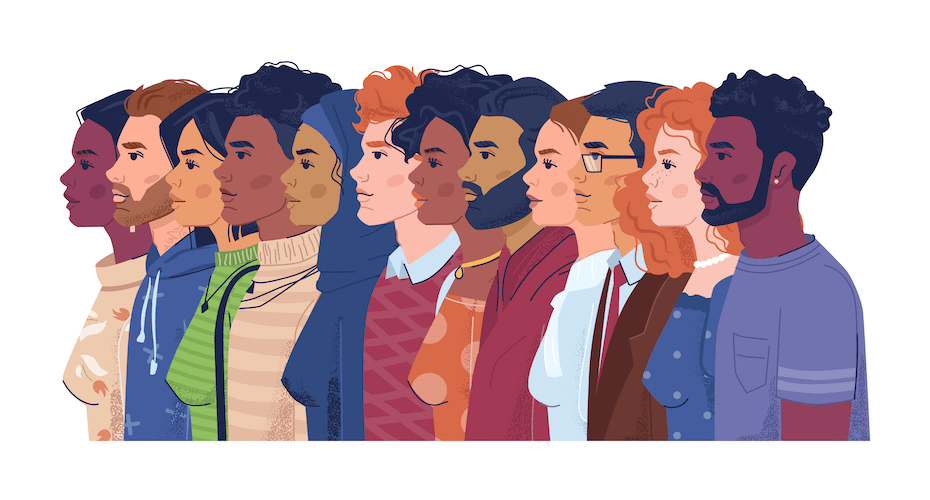
Picture generated through Bing Chat Enterprise/Copilot by Myron L. Pope

WHERE SHALL WE START

Embarking on a professional journey that traverses the ivory towers of higher education to the bustling tech hubs of Silicon Valley has been a profound experience. My transition has been marked by the transformative force of artificial intelligence (AI), a wave that is not only reshaping the landscape of technology but also poised to revolutionize the very fabric of higher education. As I reflect on this personal odyssey, I recognize the symbiotic relationship between these two worlds, where AI is not just a technological advancement, but a dynamic force set to redefine the nature of work and learning. In this exploration, I delve into the profound impact of AI in higher education, drawing insights from my experiences in both academia and the tech industry.

THE PROMISE OF AI IN HIGHER EDUCATION

The integration of artificial intelligence in higher education holds the promise of a paradigm shift, redefining the way we teach, learn, and administrate. My journey from the academic realm to the tech industry has allowed me to witness firsthand the transformative power of AI in enhancing educational experiences and administrative efficiency.

Personalized Teaching and Prompt Feedback

The heart of AI in education lies in its ability to create personalized learning experiences that cater to individual student needs. Adaptive learning algorithms analyze student performance, identifying strengths and weaknesses, and dynamically adjusting instructional content. This not only fosters a more inclusive learning environment but also provides prompt feedback, allowing students to track their progress and address challenges in real time.

In my experience in higher education, this personalized approach has the potential to unlock each student’s unique learning style. It goes beyond a one-size-fits-all model, acknowledging that students have diverse needs and learning paces. As educators, we can leverage AI to tailor content delivery, ensuring that students receive the support they need precisely when they need it.

Automation of Administrative Tasks

Administrative tasks have long been a significant aspect of higher education, often requiring considerable time and effort. AI presents a transformative solution by automating routine tasks, such as admissions processes and data analysis. This not only streamlines operations but also frees up valuable time for faculty and administrators to focus on more strategic and impactful aspects of their roles.

My experience transitioning to the tech industry emphasized the efficiency gains brought about by AI-driven automation. Tasks that were once time-consuming and resource-intensive can now be accomplished with speed and precision. This shift allows educational institutions to redirect resources towards enhancing the overall quality of education, investing in faculty development, and enriching the student experience.

Developing New Skills in the Age of AI

The impending AI revolution in education necessitates a paradigm shift in the skills students need to thrive in the workforce. As someone who transitioned from academia to the tech industry, I understand the importance of equipping students with the skills necessary to navigate this new educational landscape effectively.

Educator’s Role in Skill Development

To prepare for this AI-driven reality, educators must themselves master a new skill set relevant to AI and, in turn, impart these skills to their students. My journey underscores the necessity of staying abreast of technological advancements, continuously updating skills, and fostering a culture of lifelong learning.

Educators play a pivotal role in guiding students toward mastering skills such as effective prompt engineering. Crafting questions that extract valuable insights from AI platforms becomes a critical skill in an era where interaction with intelligent technologies is becoming increasingly prevalent. This skill not only empowers students to leverage AI for their benefit but also positions them as adept navigators of the evolving digital landscape.

Leveraging Learning Experience Platforms (LXPs)

Learning Experience Platforms (LXPs) are emerging as essential tools in the AI-driven education landscape. These platforms leverage adaptive learning and AI processes to detect when students face challenges with the material and customize courses accordingly. Higher education institutions, drawing from my experiences in both academia and the tech industry, can harness LXPs to facilitate a seamless collaboration between faculty and AI, ensuring a more effective and personalized learning experience.

My transition to the tech industry highlighted the importance of leveraging technology for enhanced learning experiences. LXPs provide a dynamic platform where educators can integrate AI seamlessly into their teaching methodologies. The ability to detect and address students’ learning challenges in real-time not only improves academic outcomes but also enhances the overall educational experience.

COLLABORATION, NOT CONFRONTATION

The future of higher education lies in collaboration, not confrontation, with AI. As AI increasingly becomes an integral part of the educational journey, schools must adopt a proactive approach. My journey from higher education to the tech world has emphasized the need for educators to view AI as an ally rather than an adversary.

Fostering Collaboration

Higher education institutions can facilitate this collaboration by supporting faculty as they navigate the challenges of working hand-in-hand with AI models. Seminars, workshops, and ongoing training programs can bridge the knowledge gap, empowering educators to incorporate AI seamlessly into their teaching methodologies.

My experiences underscore the importance of fostering a culture where educators feel supported in their collaboration with AI. Understanding the intricacies of AI models, learning to interpret the insights they provide, and effectively integrating them into the curriculum require ongoing training and support. Institutions can play a vital role in creating spaces for collaboration, ensuring that faculty members have the resources and knowledge needed to harness the full potential of AI in education.

Making AI Collaboration a Success

As AI becomes an inherent part of the educational ecosystem, it is essential for higher education institutions to provide robust support systems for faculty. This involves not only technical training but also addressing the ethical considerations and privacy concerns associated with AI in education.

My journey has illuminated the need for a comprehensive approach to AI integration, one that goes beyond technical training. Educators must navigate the ethical considerations of using AI, ensuring that its implementation aligns with principles of responsible and ethical use. Institutions can provide guidance on navigating privacy concerns, creating a framework that ensures the responsible and secure utilization of student data within AI-driven educational systems.

THE TRANSFORMATIVE JOURNEY CONTINUES

In conclusion, the journey from academia to the tech world has provided a unique perspective on the transformative impact of AI in higher education. As we stand on the precipice of an AI-driven era, it is clear that faculty, administrators, and students must adapt to a new educational landscape. AI is not just here to stay; it is an integral part of the future of education.

The collaboration between humans and intelligent technologies is inevitable, and higher education institutions must not only embrace this new challenge but also proactively support their faculty in navigating this transformative wave. By doing so, institutions can ensure that the alliance between educators and AI models is not only successful but also aligned with the principles of responsible, ethical, and student-centric use. The transformative journey continues, and the future of education is intricately woven with the dynamic tapestry of artificial intelligence. As we navigate this wave, let us remember that the collaboration between human intellect and artificial intelligence has the potential to reshape education, making it more personalized, efficient, and responsive to the needs of the learners of tomorrow.

Should I get a doctorate?

Should you work on your doctorate?

Some of my good friends, who I dearly love and appreciate for their support and for reading my posts, corrected me, and they informed me that I had gotten ahead of myself. Rather than write about completing a doctorate, I should have focused on helping people to determine whether or not, they should get a doctorate in the first place. That is a very critical question for sure, and I want to make sure that I share my perspective on this topic in this post. One thing that stands out about this is the access to and the popularity of a doctoral degree has increased significantly over the last 30 years. However, the cost to complete a program has also gone up significantly. I don’t think that this should be a barrier to you completing this process, but this as well as other factors should be well thought out before proceeding. I will mention a few things here, but I have an entire slate of items to share in that realm so let’s get started.

Why should I get a doctorate?

There are many reasons to complete a doctoral program. Please allow me to share just a few.

  1. Job advancement — At some point in your career, you may feel that you have gone as far as you can with your current degree. The completion of a doctoral degree will open more career possibilities in some cases. This one is typically one of the bigger reasons why people pursue terminal degree in the field.
  2. Personal satisfaction — There are many who have created many personal and educational goals for their lives, and completing a doctorate is one of them. For some it may sound strange, but for some, it is a lifelong dream. There are those who have made promises to family members to complete the process, especially those who are from first generation families. Whatever the case, completing this degree is a passion, and it is something that is next to be ticked off their bucket list.
  3. Passion for the field — Your discipline may be something of extreme passion for you. If you have a desire to advance that passion through research and work in this area, then a doctorate will provide you with the resources to delve deeper into complex topics related to the field. Also, the completion of this degree will prepare you to create new knowledge to advance the field, either theoretically or practically. The completion of the doctoral degree will benefit you by taking the steps to become an expert in your field and open so many doors of opportunity in the future.
  4. Networking opportunities — Through the years, I have maintained a very healthy relationship with those who I went through graduate school with. We have shared our successes and failures, and in many cases, we have served as support for one another emotionally, provided references for jobs, and provided networks for employment through our connection. There is also the benefit of connecting as a faculty member with students in doctoral programs. I leveraged my time in the classroom with doctoral students not only in terms of mentoring and teaching them, but also, I took advantage of the opportunity to target talent. I hired many former students through the years based upon what I saw in them there.  Faculty are also always a great resource for continued mentoring and recommendation letters.

Now that we have discussed the reasons to go to complete a doctorate, let’s talk about questions that you should ask before you pursue a program.

  1. When is a good time? I immediately started graduate school after the completion of my bachelor’s degree, and I completed my doctorate by the time I was 25 years old. I did that because I was fortunate enough to receive a graduate assistantship which paid for college (a very important factor that we will discuss shortly). (Thank you, Dr. William Ross Palmer for believing in me!!!) On the other hand, I had friends who worked and gained years of professional experience in the field before they decided to complete their doctorate. They felt like it would benefit them to do it this way so that they would have more practical knowledge as they pursued their doctorate. There’s no right or wrong way here. Talk to a variety of people to gather a variety of perspectives on the element of timing. These perspectives will provide you with information so that you are best prepared to decide about what is best for you.
  2. What doctoral program should I pursue? I am always amazed to look at LinkedIn pages of friends and colleagues. I would say 75% of them have pursued degrees in directions that were quite a bit different than their undergraduate degree programs. They have found passions in life, outside of their undergraduate majors, and they have chosen to pursue doctoral (and masters) degrees that aligned with that passion. That is quite all right. Others have stayed the course, and their doctoral degrees align with their master’s and bachelor’s degrees. At the end of the day, you are investing a lot of time and money into this process, so it is important for you to have a clear plan for the selection, matriculation, and completion of this degree. Again, talking to people who have gone through the process is always helpful.
  3. Will I be able to balance life’s priorities while completing a doctoral degree? This is a very difficult question, as you don’t really know what to expect until you get into the program. Life is strange. My wife started her master’s degree, and a string of very unusual events with our family (illness, kids’ sports, etc.) caused her to have to stretch the program out over a longer period than originally planned. Balancing work, family, and your academics can be challenging. Trying to find a time that is “best” is also a challenge. Raising kids, taking care of aging parents, major work projects, and so much more can certainly make it very difficult. You will need to evaluate your life and decide to move forward with many blind spots. Waiting for the right moment is fruitless because there is not the right time. Sometimes, you just must take the plunge. Talk to faculty in the program, as well as students to get a sense of the expectations for the program. Talk to your family and work supervisor to gauge their level of support and understanding regarding your pursuing a program.  Do your research and go with it.  Sometimes, you just have to put on your Nikes and Just Do It!
  4. How do I select the right program/institution and faculty advisor? It is imperative that you do your research on various programs that offer the degree that you’re interested in and find out their graduation rates as well as time to degree to gain a sense of what they expect there. Find out which professors have been successful in graduating their students. You surely don’t want to be advised by someone who has a very low success rate when it comes to graduating their students. It would be an utter waste of money to complete the course work and not complete the culminating project (typically a dissertation). Talk to current students as well as graduates of the program. They can provide a significant amount of information that will guide your thinking. I can go on and on here, but also talk to those who are going through programs in general, and they can give you some sense of what factors they utilized in making decisions about their program.
  5. Can I afford this doctoral program? That is a very critical question. The costs of higher education have increased significantly through the years. I believe that there is great value to higher levels of education, but you don’t have to break the bank to do it. First, you want a quality program that will give you what you need in the context of your goals, so do your research in that area. Second, do your research on programs in terms of graduate assistantships and fellowships. Those forms of financial support are sometimes far and in between for graduate students. Unlike undergraduate programs, you don’t have access to Pell Grant and other scholarship opportunities that are available for undergraduate students. Most students borrow money. It goes without saying, most programs are going to get you to your goals. It’s rare that programs are so significantly different that you must pay significantly more for one program over another. Sometimes people pay for convenience, which I understand. However, you also don’t want to come out with a ton of debt. Again, talk to program faculty, graduate schools, financial aid offices, and current and former students of the program to find out what options are available.

I probably have provided you with just enough information to get you started or confused. I hope that the latter is not the case. One thing that I mentioned over and over is the importance of doing your research. Be sure to do that. Talk to people who have been there, and certainly those who work there, so that you have ample information to make an informed decision. It is a significant undertaking, but it is also a very rewarding one. I encourage you to do it, and let me know if I can help. Best wishes as you take those next steps towards completing your terminal degree.

Should I get a doctorate?

Some of my good friends, who I dearly love and appreciate for their support and for reading my posts, corrected me, and they informed me that I had gotten ahead of myself. Rather than write about completing a doctorate, I should have focused on helping people to determine whether or not, they should get a doctorate in the first place. That is a very critical question for sure, and I want to make sure that I share my perspective on this topic in this post. One thing that stands out about this is the access to and the popularity of a doctoral degree has increased significantly over the last 30 years. However, the cost to complete a program has also gone up significantly. I don’t think that this should be a barrier to you completing this process, but this as well as other factors should be well thought out before proceeding. I will mention a few things here, but I have an entire slate of items to share in that realm so let’s get started.

Why should I get a doctorate?

There are many reasons to complete a doctoral program. Please allow me to share just a few.

  1. Job advancement — At some point in your career, you may feel that you have gone as far as you can with your current degree. The completion of a doctoral degree will open more career possibilities in some cases. This one is typically one of the bigger reasons why people pursue terminal degree in the field.
  2. Personal satisfaction — There are many who have created many personal and educational goals for their lives, and completing a doctorate is one of them. For some it may sound strange, but for some, it is a lifelong dream. There are those who have made promises to family members to complete the process, especially those who are from first generation families. Whatever the case, completing this degree is a passion, and it is something that is next to be ticked off their bucket list.
  3. Passion for the field — Your discipline may be something of extreme passion for you. If you have a desire to advance that passion through research and work in this area, then a doctorate will provide you with the resources to delve deeper into complex topics related to the field. Also, the completion of this degree will prepare you to create new knowledge to advance the field, either theoretically or practically. The completion of the doctoral degree will benefit you by taking the steps to become an expert in your field and open so many doors of opportunity in the future.
  4. Networking opportunities — Through the years, I have maintained a very healthy relationship with those who I went through graduate school with. We have shared our successes and failures, and in many cases, we have served as support for one another emotionally, provided references for jobs, and provided networks for employment through our connection. There is also the benefit of connecting as a faculty member with students in doctoral programs. I leveraged my time in the classroom with doctoral students not only in terms of mentoring and teaching them, but also, I took advantage of the opportunity to target talent. I hired many former students through the years based upon what I saw in them there.  Faculty are also always a great resource for continued mentoring and recommendation letters.

Now that we have discussed the reasons to go to complete a doctorate, let’s talk about questions that you should ask before you pursue a program.

  1. When is a good time? I immediately started graduate school after the completion of my bachelor’s degree, and I completed my doctorate by the time I was 25 years old. I did that because I was fortunate enough to receive a graduate assistantship which paid for college (a very important factor that we will discuss shortly). (Thank you, Dr. William Ross Palmer for believing in me!!!) On the other hand, I had friends who worked and gained years of professional experience in the field before they decided to complete their doctorate. They felt like it would benefit them to do it this way so that they would have more practical knowledge as they pursued their doctorate. There’s no right or wrong way here. Talk to a variety of people to gather a variety of perspectives on the element of timing. These perspectives will provide you with information so that you are best prepared to decide about what is best for you.
  2. What doctoral program should I pursue? I am always amazed to look at LinkedIn pages of friends and colleagues. I would say 75% of them have pursued degrees in directions that were quite a bit different than their undergraduate degree programs. They have found passions in life, outside of their undergraduate majors, and they have chosen to pursue doctoral (and masters) degrees that aligned with that passion. That is quite all right. Others have stayed the course, and their doctoral degrees align with their master’s and bachelor’s degrees. At the end of the day, you are investing a lot of time and money into this process, so it is important for you to have a clear plan for the selection, matriculation, and completion of this degree. Again, talking to people who have gone through the process is always helpful.
  3. Will I be able to balance life’s priorities while completing a doctoral degree? This is a very difficult question, as you don’t really know what to expect until you get into the program. Life is strange. My wife started her master’s degree, and a string of very unusual events with our family (illness, kids’ sports, etc.) caused her to have to stretch the program out over a longer period than originally planned. Balancing work, family, and your academics can be challenging. Trying to find a time that is “best” is also a challenge. Raising kids, taking care of aging parents, major work projects, and so much more can certainly make it very difficult. You will need to evaluate your life and decide to move forward with many blind spots. Waiting for the right moment is fruitless because there is not the right time. Sometimes, you just must take the plunge. Talk to faculty in the program, as well as students to get a sense of the expectations for the program. Talk to your family and work supervisor to gauge their level of support and understanding regarding your pursuing a program.  Do your research and go with it.  Sometimes, you just have to put on your Nikes and Just Do It!
  4. How do I select the right program/institution and faculty advisor? It is imperative that you do your research on various programs that offer the degree that you’re interested in and find out their graduation rates as well as time to degree to gain a sense of what they expect there. Find out which professors have been successful in graduating their students. You surely don’t want to be advised by someone who has a very low success rate when it comes to graduating their students. It would be an utter waste of money to complete the course work and not complete the culminating project (typically a dissertation). Talk to current students as well as graduates of the program. They can provide a significant amount of information that will guide your thinking. I can go on and on here, but also talk to those who are going through programs in general, and they can give you some sense of what factors they utilized in making decisions about their program.
  5. Can I afford this doctoral program? That is a very critical question. The costs of higher education have increased significantly through the years. I believe that there is great value to higher levels of education, but you don’t have to break the bank to do it. First, you want a quality program that will give you what you need in the context of your goals, so do your research in that area. Second, do your research on programs in terms of graduate assistantships and fellowships. Those forms of financial support are sometimes far and in between for graduate students. Unlike undergraduate programs, you don’t have access to Pell Grant and other scholarship opportunities that are available for undergraduate students. Most students borrow money. It goes without saying, most programs are going to get you to your goals. It’s rare that programs are so significantly different that you must pay significantly more for one program over another. Sometimes people pay for convenience, which I understand. However, you also don’t want to come out with a ton of debt. Again, talk to program faculty, graduate schools, financial aid offices, and current and former students of the program to find out what options are available.

I probably have provided you with just enough information to get you started or confused. I hope that the latter is not the case. One thing that I mentioned over and over is the importance of doing your research. Be sure to do that. Talk to people who have been there, and certainly those who work there, so that you have ample information to make an informed decision. It is a significant undertaking, but it is also a very rewarding one. I encourage you to do it, and let me know if I can help. Best wishes as you take those next steps towards completing your terminal degree.

My thoughts on #BamaRush and diversity

Over the last few years, #BamaRush has been a phenomenon that has captured so many people’s attention through social media and beyond.  It highlights the University of Alabama sorority recruitment process.  It started with some young ladies highlighting their experiences at UA on TikTok, and others followed.  With it came many parodies also, and generally very positive perceptions.  Long story short, it has added to the appeal of the institution for many prospective students, not to mention individuals who desire to be a part of the sorority recruitment process.

However, I read with great interest an article that brought up a consistent concern for me regarding how many evaluate the process.  Some state that it is a segregated/racist process, and it limits students of color from participating.  That was the argument that I noted as the significant theme of this article that I read earlier this week.  It is one of many that I have read this year and in years past.  In some ways, I have my biases, which I will explain, and I understand the argument.  However, I also have another perspective that challenges this bias.  Please allow me to explain.

In the late 1980s to the early 1990s, I personally had my experience with the University of Alabama white fraternity and sorority system.  As a black student during that time, I witnessed many misguided actions of the white fraternity and sorority system. I was privy to the actions of the member organizations of the Interfraternity Council (IFC) and the Panhellenic Council in intentionally limiting access to membership for black students to these organizations, and I spoke with members of these organizations who were classmates, who very blatantly tried to provide a rationale for not allowing people of color to join their organizations.  I witnessed events like Old South Day, where one organization led an annual tribute to the Confederacy with a focus on dressing in Confederate military uniforms and having their female dates dress in antebellum dresses while on occasion bringing in poor, young black children from the Tuscaloosa community to dress as slave children and participate in the Old South parade.  I recall the “Who Rides the Bus?” swap party (in this case a sorority party with a fraternity) in which the sorority dressed in black faced and placed basketballs under their dresses to emulate poor pregnant black women on welfare.  I was on the football field when Kimberly Ashley, a black student, was crowned as homecoming queen, and the section of the stadium where the IFC and Panhellenic organizations sat embarrassed themselves and the university with their response to the outcomes of the student body vote.  I was a redshirt freshman of the football team, so I was not dressed and remained on the sidelines at the half with other redshirt teammates when the jeers, throwing of objects toward the field, and turning their backs to the field occurred.  These are just a few of the many experiences that I witnessed as an undergraduate student.  For that reason, I had a very cynical view of the system and its legacy.  These experiences were not a part of my undergraduate education that I held dear to my heart for sure.  I perceived the organizations under the umbrella of IFC and Panhellenic to be racist and unaccepting of black people and other people of color.  That was so ingrained in my mindset that when I arrived at the University of Oklahoma in 2000, and I witnessed a young black man wearing a t-shirt with the letters of an IFC organization, I was confused and concerned for his safety because that was just not something that I had witnessed in Alabama.  Obviously, there was a much bigger world outside of Alabama, and somehow others had figured it out already. 

Through the years, I continued to hear of such negative situations related to the white fraternity and sorority system after my matriculation and work at UA to include the continued failed efforts of the university to try to integrate the system in the early 2000s.  However, as I returned in 2020 as the Vice President of Student Affairs (VPSA) with responsibility for supervising the overall fraternity and sorority community – the Office of Fraternity and Sorority Life (OFSL), I set aside my views based upon my past experiences.  It was my hope to start anew in terms of my work, and I had met with some students and alumni of these organizations prior to and during my interview who were trying hard to change the perceptions of many who had had experiences like me.  I witnessed some significant efforts by the white fraternity and sorority community to move past the disturbing past that had been painted by alums of their organizations.  For that reason and due to my personal experience, I want to share a different perspective regarding these organizations. 

The article that I mentioned earlier that prompted my thoughts on this matter made some very negative comments about the lack of diversity in the white fraternity and sorority system after this year’s “#BamaRush”.  (Note:  #BamaRush is about sorority recruitment, but the author carried the theme across white fraternities and sororities at Alabama.).  The article noted that the faces of those involved in the process continued to be predominantly white, and with that, the article insinuated that the system continued to perpetuate a racist mindset.  The author had an agenda, and the author did not hesitate to continue to say that nothing had changed, and that the institution (UA and the OFSL) had not done anything to change the “appearance” of racism through the years.  Having only been a few months removed from this experience, I found the article greatly distorted and lacking in truth about what really happens in the process.  It diminishes the hard work that the university continues to engage in through the leadership of those in OFSL (to include advisors of these organizations who I worked with in the past) to make a change in this area.  However, there are many realities that exist that make this a difficult challenge for the institution and for the organizations.

As the VPSA, I spoke to many young ladies who were students of color who participated in white sororities at Alabama.  They talked about their experiences in generally very positive terms.  They were engaged.  They were serving in leadership roles.  They were accepted as members of these organizations.  Were there some snafus here and there based upon some individual member of their organization or other white organizations that were racist/problematic?  Yes.  We still have those folks in society unfortunately. That does not realistically define the culture and ethos of the entire organization.  However, in hearing the good and the bad and due to my natural curiosity, I engaged in my unscientific research study to better understand the culture and understand the state of things at the university.  I endeavored to figure out ways to make the process better, and I wanted to hear the voices of all involved, to include of course students of color who experienced the process firsthand.    What I discovered was that those who I spoke to enjoyed/loved their experience and didn’t regret it.

I am not saying that racism does not still exist in these organizations.  I supervised the adjudication of student misconduct issues by students who were members of those organizations that were deeply racist.  However, the actions of individuals do not illustrate the character of the entire organization because I spoke with members and advisors of these organizations who very quickly tried to do the right thing and deal with those members, not for public relations reasons, but because they knew that it was wrong.  They used the moments as teachable moments for their organizations.  They advocated for education across the system.  They sincerely wanted to do the right thing.  Many of these conversations preceded me, and I personally was engaged with many of them during the tumultuous George Floyd period where some students made some very derogatory statements.

Shifting gears, a primary challenge of the system in recruiting more students of color is the long and disturbing legacy of the organizations at the institution.  There are many who attended the institution like me who experienced these negative episodes.  There are even more who have heard about them.  George Wallace continues to stand in the schoolhouse door for many black people, and even though they will allow their student to attend the institution, they will not allow them to be exposed to a system that they feel is racist.  Participating in sorority recruitment is expensive, and students need financial support from their parents to make it a reality.  If parents are concerned about their student’s wellbeing because of their perceptions and knowledge of the negative aspects of the system’s past, they are not going to support it.  That leaves any level of recruitment to be a futile process for white fraternities and sororities in attracting students of color.

Another reality is that for many middle-class black people, we desire for our children to receive the best education possible, and that means that we move to the suburbs to achieve that goal.  It’s unfortunate, but true.  However, in making that decision, these black families realize that these schools are sometimes not the most diverse.  I recall classes, activities, and events where my children were the only students of color present.  It became our reality.  However, without fail, my children had positive experiences for the most part.  What point am I making here?  It’s two-fold.  First, these students connect with their white peers because those are their classmates.  These are the people that they have grown up with.  They don’t discuss the color of their skin or cultural differences often.  They are just friends.  Consequently, the likelihood of students of color having an interest in joining a white fraternity or sorority are much more likely.  It’s not a guarantee, but it is a high likelihood.  They are going to want to go to college where their friends are going and be affiliated with organizations where they find a fit regardless of the racial makeup.  It is not surprising to find that many of the students who were members of Panhellenic organizations that I spoke to were black students who went to predominantly white suburban schools.  Many white sororities who are committed to doing the right thing realize this, and they actively recruit these students of color from these schools, not only through cold call recruitment, but many of these ladies have friends from high school who are students of color who they recruit.  It is a very organic process, but also very deliberate for some organizations. 

Here is the challenge for these organizations in recruiting students of color particularly black students.  Many of these affluent parents are members of historically black, National Panhellenic Council (NPHC) organizations.  The student may feel compelled to join one of these organizations as a legacy.  Yes, the process is different in terms of recruitment/intake, and they don’t align in terms of timing because NPHC organizations require that students complete one or more semesters before applying for membership, amongst other requirements.  Despite these, many students have been encouraged by their parents to join NPHC organizations versus going the IFC and Panhellenic Association organizations.  No matter how much these organizations attempt to diversify, it is difficult to compete with the legacy reality of some students of color who desire to align more with their parents’ (and other family members and friends) organizations.  I have only seen a couple of articles written in the media that focus on this reality of the challenge of recruiting for white fraternities and sororities in the recruitment process.

My daughter chose to attend Alabama, and members of several white sororities who followed me on social media and saw how engaged she was in high school and in the Edmond, OK community, started reaching out to her directly and recruiting her.  There were several current UA students who were from UA who went above and beyond to meet my daughter during the times that she was visiting here in Alabama, or when they were home for the holidays visiting their families in Oklahoma.  They worked hard to recruit her, but as she is a legacy of a NPHC sorority, she was inclined to consider that more, even though she has not fully committed to doing that even.  Regardless, this demonstrates the organizations’ recruitment efforts firsthand, and it demonstrates the challenges that they face in terms of legacies.

Additionally, for some students of color, IFC and Panhellenic organizations are just not a fit for them culturally.  All students, regardless of their background, will gravitate toward people who have similar interests, cultural backgrounds, and other characteristics.  It is human nature for people to want to be with people that they know and have similar interests, beliefs, and in some cases skin color.  You face an uphill battle as white fraternities and sororities in trying to recruit when cultural barriers are a reality in potential new member (PNM) decision making.

I remember being asked by the president and people at the system office about the diversity numbers.  They were always nervous this time of the year because they knew that the media would be seeking the numbers to “create a narrative” about the white fraternity and sorority organizations not being diverse, which I understood the concern, but… Yes, the fact of the matter is that the numbers are low, and through the sorority recruitment process, the numbers have increased through the years, but they are still low.  During my time there in the VPSA role, I looked at the number of students of color who started the process and ultimately received bids during my brief time at the university, and consistently, there was not a significance difference than white PNM versus students of color PNM.  I was frustrated that the university never shared this kind of information because it missed an opportunity to demonstrate the overall efforts to share the full-hearted efforts of not only the university, but the organizations to welcome students of color to participate in the recruitment process.  These efforts are a huge departure from the “blocking” of students of color efforts that took place in years past at the institution. 

I believe that the narrative of division, racism, and elitism is one that sells, so it is what some authors return to as they continue the same story about the fraternity and sorority system at UA.  The system is not perfect by any means, and I don’t know every aspect of the system. However, I know people, and I know research.  I have done my share, and there have been improvements through the years.  It is important to continue this progress, but it does not happen by continuing to brow beat those who are trying to do the right thing.  After a while, they get tired and just say it is what it is.  They will eventually throw up their hands and embrace the mindset that they can’t win in their efforts to do what is right.  I believe that throughout our society many are trying to do the right thing in correcting past wrongs, but we can’t punish them for the past when they are trying to be a part of the change.  We must band together to remove the wrongs in society.  We can accomplish more together.

Should I get an EDD or PHD?

Dr. Myron L. Pope, ED. D. Graduate, the University of Alabama, 1997

              Just last week, I had a couple of good friends who completed their doctoral degrees.  What an amazing accomplishment!  I was so happy for them.  The journey that they had embarked on years before had culminated in this great celebration highlighting their significant academic accomplishment.            

              I remember my journey through the process.  I started the doctoral program when I was 22, and I hammered out a path that allowed me to finish by the time that I was 25.  I remember that my grandmother used to always say that no matter what, they can’t take away your educational accomplishments.

              Through the years, I have had many friends and former students who have asked me about whether they should complete a doctor of education (Ed.D.) or a doctor of philosophy (Ph. D.).  It is a valid question, and I have shared my perspective with them during these conversations.  I felt that I would include it here also because it is such a common question for those who work in the field of education.

              The two degree programs historically have had two distinct purposes.  The Ed. D. was for those wanted to apply their newly acquired knowledge to practice, while the Ph. D. was more focused on providing individuals with the knowledge to conduct research and teach.  I remember hearing this distinction when I started exploring the options in the early 1990s at the University of Alabama and thinking that the former was the direction that I should pursue.  Well, there was a moratorium on the Ph. D. program in Higher Education Administration at the time, so I didn’t have an option.  My advisor, Dr. Michael Thomas Miller, encouraged me to consider the research and teaching option, but he knew that it was not an option at that time.  However, in designing my program, that is determining what classes I would take to complete the degree, he directed me to complete courses that aligned very much with the content of the Ph. D. program.  Specifically, I took 15 hours of research-related courses during my Ed. D. program, which was far more than typically required for the degree.  It was a major blessing for many reasons as I will explain later.

              Three years after completing my degree, along with the assistance of Dr. Miller with getting a research agenda started, I received a faculty position at the University of Oklahoma…with an Ed. D.  The department saw my research, and they hired me with that degree versus the Ph. D.  I don’t recall the topic of Ed. D. ever coming up during my interview.  I have continued to teach in a variety of institutions through the years, and never has there been a conversation about my Ed. D. during the interview progress.  Also, through the years, I have rarely had anyone to ask me what degree specifically I had other than when this particular topic comes up with friends and former students.  I am just Dr. Pope.

              Likewise, I have noticed through teaching in a variety of programs at various institutions around the country through the years that the lines between the two programs continue to blur.  There is not a set in stone list of courses that consistently appear in these programs from institution to institution.  Needless to say, I would encourage you to do your research on these programs, determine if you like what they have to offer, and try to connect with the program faculty more than anything else.  Fit is the key, and that fit is not merely the degree program, but finding your fit with the culture of the program – finding a place where you can thrive and achieve your goals.  That seems to minimize the decision-making quite a bit to what may seem like a simple process, but that’s what has resonated the most in working with and mentoring many people through the years.  Talk to people who are in the programs that you are considering, and try to connect with those who have recently completed these programs to gain insight about their experiences.  Find good mentors who can assist in guiding you through the process to help you to do what needs to be done so that by the time you complete the program, you are on track to be successful.  For instance, if you are interested in engaging in research and teaching, find a program that provides students to engage in research so that they can begin to develop a research agenda and hopefully get some publications under your belt.  Also, make sure that these programs offer some opportunities to teach, possibly as a graduate teaching assistant. 

              This is probably an oversimplification of the decision-making process, but I wanted to share my perspective on the topic.  There are a myriad of options available for those who are interested in completing their doctorate, from full-time programs to executive programs designed for busy professionals who are squeezing in these programs with other aspects of their lives.  At the end of the day, you are trying to advance your career, and I commend you for that.  Once you are done with either, rarely will you be asked what degree you will have.  You will simply be Dr. Whoever.  However, finding fit, and making sure that you have good mentors to talk you through this process will ensure that you end up selecting the best option for you.  I wish you well, and please let me know if I can be of further assistance to you.

Juneteenth 2023: It’s about continuing to “free” Black people.

Today marks Juneteenth, also known as Emancipation Day. Specifically, it commemorates Union army general Gordon Granger announcing federal orders in Galveston, Texas, on June 19, 1865, proclaiming that all people held as slaves in Texas were free. Though the Emancipation Proclamation had been signed more than two years earlier, this declaration by Granger effectively ended slavery for 250,000 Black people in Texas and beyond. Originally a Texas state holiday, it is now celebrated annually on the 19th of June throughout the United States, with varying official recognition. Take a look at this link for more details: https://youtu.be/lq8TNKZVEWs

Why is this day relevant? Why is this an important conversation today? Despite how far Black people have come, the reality of disparities still exists. It’s not finger pointing or blame placing. It is about creating conversations to discuss and better understand where and why this state of things continues for Black people, and it is an opportunity to consider how to move beyond these barriers. Once we can sit down and have productive conversations on this level, we will be able to eliminate the vestiges of slavery and oppression that have plagued this country for hundreds of years.

I have been blessed to achieve much in my life, but I have also experienced these barriers firsthand. I have experienced the disparities in how I was treated based upon these systemic realities. I continue to appreciate those who have provided me with opportunities, but I also know that I, as well as many other black people, have been limited due to these historical inequalities. I pray that you will take a moment to just listen and try to understand rather than completely ignoring these stories of those who experience these cultural realities daily.

As we celebrate Juneteenth, let’s focus on the resilience of Black people in this country, endeavor to think about strategies to improve the Black community’s plight, and focus on creating environments committed to equity, belonging and social justice.

Never underestimate the goodness of people

Sometimes, you experience situations with people who seem to only be interested in themselves, and not in helping others. However, on occasion, you find people who want to do all they can to help others.

That became glaringly true for my family and I recently. We had the good fortune of having our oldest son/sibling graduate from college. It was a once in a lifetime experience that we looked forward to attending. The event was on a Friday morning at 10 am. As our youngest was nearing finals in middle school, we did not want to take him out of school too early on Thursday, so we waited until after school to leave to drive to Monticello, AR. It is just under a five hour drive, so we felt that we could be there before 8:00. That would have given us more than enough rest for the celebratory event the next morning. 

We left, and as usual, Shanna and I were enjoying podcasts (Check out our favorite when you have a chance: Stuff You Should Know…shameless plug haha) when we approached Indianola, MS. That’s when our car began to sputter and smoke. I am fairly familiar with cars, and I had never seen anything like it. Needless to say we made it to a Love’s Travel Store (another one of our favorites) when it all but shut down. I called roadside assistance, and due to the model of our car, the nearest dealership was approximately 100 miles away. Considering we would need to be at graduation on time, my top priory was getting it towed and finding a rental car. Easy enough right?!?!  Well, not at 8:00 at night in Indianola…the Mississippi Delta. 

After many calls, we found a tow truck that would take the car to Jackson, and this is where the goodness of people comes into place. Derek Byars who owns Endless Towing, went above and beyond to take care of us. As everything was closed, and the car rental location would not open until 8:00 the next morning, we were not going to make it to Monticello that night. Derek put the car on the tow truck, recommended a hotel in Greenville, which was where he drove from (about 35 miles), and took us to the hotel because there are no Uber/Lyfts in that part of the world. Taxis were nonexistent also. We would have been stuck if it had not been for him. I must say that his truck was very nice and very comfortable for a tow truck. Hehe

Once we got to the hotel and got settled around 11:00, we tried to get rest so that we could get to the graduation in time. The next morning I was downstairs and looking for a ride to the rental car location. Again, no taxis or other mode of transportation, and the rental car location was not answering the phones before opening. I had seen a gentleman and his wife at breakfast earlier, and after greeting each on a couple of visits to the buffet, I prayed about it, and I blindly asked for a ride after explaining the situation. He was there for his wife’s mother’s funeral, sadly enough, but they were very courteous. They got me there. Once there, the location representatives informed me that they had overbooked on cars (mad). Who does that?!?!!  After standing in line to get that news, it was 25 after the hour. The only other place in town that rented cars was the local Toyota dealership. I called, and the receptionist informed me that the two individuals who were responsible for doing rental paperwork were out. I hung up after this disappointing news, but after a little prayer, I decided to call back and tell them story of what was going on with my son’s graduation which was in less than an hour and a half, and it was an hour and ten-minute drive to his campus. The young lady reminded me that they couldn’t help because their representatives were out. I explained that I understood, and I made my way back to the car of the guy who I met at the hotel who had graciously insisted on waiting until I got a car. I had no idea what to do, and at that moment a phone call came from the dealership. The young lady had contacted the owner of Oakes Toyota in Greenville, Bryan Oakes, who had driven to the dealership to figure out a way to help me. Mr. Oakes did not hesitate, and he called one of his other employees in and had him collect my information. It was the most informal rental agreement I have ever signed.  Regardless, he made it happen. Unfortunately, it was now 9:15, and I still needed to go back to the hotel to pick up Shanna and Isaiah and all of our things. I did that and drove to Monticello in record time. We made it right after the graduates walked in and the National Anthem was sung. We made it, and we had a chance to watch Michael receive his bachelor’s degree. 

Throughout our version of “Planes, Trains, and Automobiles”, we met some folks who found ways not to help us. My faith was reaffirmed in people through the acts of those men who helped us to make it graduation in time. It reminded me of something that I have always tried to do which was be aware of opportunities to help others. We can find a million ways to say no. That’s the easy way out. Find a way to yes, and think of it as merely helping your fellow human being. You never know what bigger impact you will have on that individual’s life.  God bless.

Understand and value who you are

Last week during Sunday School, we had a guest speaker who came in to focus on mental health from a biblical perspective. This presentation was part of Mental Health Awareness Month (May).  The presenter gave us a sheet of paper and asked us to write an introduction of ourselves.  I struggled mightily. It is not something that I had done in quite some time. In my past, I introduced myself quite often. That doesn’t happen like it used to transpire. 

As many of you know, I worked in higher education for many years. When I introduced myself back then, I shared my story of my life and educational experiences in hopes that it would inspire others. I felt that that work was God’s calling for me — helping students to access and complete their college education. It was my “calling card”. 

Also, I was involved in the community. I grew up in a small community where taking care of others was important, so being involved in whatever community that I lived was important to me. I wanted to always highlight community work and its importance. That was part of who I was. 

Since last year, I have not had either the work in higher education to fulfill me, or the opportunity to be involved in the community in the ways that I had in the past. Therefore, this task of articulating who I am was difficult. Those things that had defined me in the past were gone. 

I think for all of us, this sense of trying to figure out who we are happens. Your experience may not have transpired in the way that mine did (I pray that no one ever has to experience that.), but it happens. For some, it is retirement. For some, it is becoming empty nesters. For some, it is a career change. For others, it is a loss of a loved one. Whatever the stimulus, there are times when we feel a void in our lives, and we question who we truly are. 

It is important to know that you are loved, and you bring so much to the table. God has granted you so many gifts, and He wants you to know that you are more than just that one thing that may be gone or not a part of your life. Understanding your value at all times is so important. In some cases, we define ourselves by titles, the groups that we affiliate with, the car that we drive, or the house that we live in. Those things are all temporary. Realizing who you are and what is at the core of your being has to be a priority. Checking our priorities in life should be an assessment that should be done sooner more so than later. Don’t wait to you have that void. Define who you are now, and remember it is not about stuff and titles. It’s your core values. If all of the material things are gone, who are you, and what do you bring to the table/world?  What is most important to you? Contemplate those questions, and when you discover those things, embrace them. Make them the most important things in your life. Know who you are at your core. If you realize that now and throughout your life, you will find true happiness and peace. 

Flee from the Fellowship of the Miserable

During my freshmen year of college, I was a part of the football team at the University of Alabama. The head coach was Bill Curry. I learned much from Coach Curry that year. He left at the end of the season, but my brief time with him taught me much about life. I am appreciative to this day for God allowing him to be a part of my life.

As we would prepare for practice each day during that season of 1989, we would have to come into meetings prepared and on time. He required that we have two legal pads with us. One was for football, and the other one, he stated was for life. The latter one is the one that impacted my life so much. It was the one where he required us to write down our goals and to develop roadmaps for achieving them. It was the one where we made notes regarding life lessons that he had learned through the years. It was the one where we learned lessons that would make us into productive, God-fearing, young men — not perfect, as he knew that we would make mistakes, but he tried to help us to minimize them. Yes, I learned much as a freshman football player (and throughout my entire collegiate experience), but his talks about what it took to become a man and to live life after football was very life changing. 

He spoke to the young players quite often about the adjustment to college life. He stated that for some, the lack of playing time and engagement in game day planning was going to be tough for us that fall. He stated that it was important to learn a life lesson through this period of drought and disappointment. He indicated that he knew that there would be frustrations with not being able to play after having stellar high school careers. The natural instinct would be for us to come together and complain about it. It would be easy to come together and complain about the coaches and their lack of awareness of our talent. It would be easy to say that there were “favorites” who got playing time over those of us who were more talented. It would be easy to get together and just complain. He encouraged us to resist the urge to join the ministry of the “Fellowship of the Miserable”. The Fellowship of the Miserable loosely describes the propensity of individuals to congregate and complain based upon common concerns and issues that they are mutually experiencing. These complaints are not dealt with in a positive manner. They are usually situations where the frustration and anger are counterproductive, and it is an environment where blame is assigned to others rather than engaging in self-reflection on how and why you arrived at your current situation. In many ways, it is human nature, but Coach Curry encouraged us to take a higher road. He encouraged us to find strength in one another and to resist the urge to play the blame game. He encouraged us to look inside ourselves, hear what was being said by the coaches about improving ourselves, and develop strategies to move in that direction. It was too easy just to fall into the Fellowship of Miserable. If you embraced that rhetoric, you would not be able to hear what was being said to benefit you in your improvement. You would not be able to move toward improvement.

Proverbs 27:17 tells us to sharpen each other: “As iron sharpens iron, so one person sharpens another.” In Coach Curry’s mind, I am sure that this verse holds true. I cannot recall him using this verse, but it contains the same messaging that he highlights. In aligning ourselves with people who we consider to be close friends, be careful who you select. As a piece of iron works to sharpen a knife and make it more effective in its role (cutting), it is important for us to find people who are going to sharpen us and make us better people…sharper in our lives. We want to find people who are going to help us achieve our best version of ourselves. The Fellowship of the Miserable does not allow that to happen. It is counterproductive to you getting better. You are aligning yourself with people who are only interested in stating the obvious in the situation. They are only interested in blaming others for the situation. These situations do nothing to sharpen the knife. They make the knife more dull.

Please note that there are legitimate times when it is appropriate to complain about issues. There are times when people are treating you and others that you are aligned with unfairly. Please address those accordingly. This is not what this is about. It is about realizing that you do have a locus of control. If you don’t, and you need strength through numbers to make a change, do it. This is about people not taking responsibility for circumstances that they are in in which they have the control to overcome. I hope that that makes sense.

To this day, I continue to think about this lesson from Coach Curry. I try to not to engage with people who embrace negativity. I try not to engage with people who resort to the blame game. Yes, I strive to support, encourage, and embrace all, but if they continue to be content with being a part of the Fellowship of the Miserable, I try to separate myself from them because I don’t want to resort to that thinking and behavior. Is that to say that I am better than those who are part of the “Fellowship of the Miserable”? Does that mean that I have not been a “woe is me” kind of person at some point in my life? Does this mean that I don’t have bad days when I just grope along in my misery and grief? I respond with an emphatic “No” to all of these. There are days when things are tough, but it is important to remember not to get stuck there. It is important to figure out a way out of your rut. For every negative thing that has happened in your life, there are hundreds of positive things that are off-setting to the negatives. Remembering that complaining and griping about it is not going to change anything is the key. Spending time with people who are only going to pull you deeper into this negativity is not worthwhile. Figure out a game plan to make things better. It might not be immediate, but there are options. Don’t allow the Fellowship of the Miserable tell you any differently. 

“You can’t date…you’re from different continents.”

Life has a funny way of giving you a jolt of reality when you think that all about your life is going well. I have moments where I have been quite content. I was on top of the world. Everything seemed to be right with the world. The stars are aligned, and the birds are singing, and then an idiot opens his/her mouth. You have been there. You have had those moments. If you have not, let me share one of my moments of shattered Utopia.

About 15 years ago, all of my past sins started to catch up with me physically. The years of playing sports, running, and just being a “big body” caused some expected pains in my knees. After a surgery to clean up one, my orthopedic surgeon recommended that I take up bike riding. I spoke to my wife, Shanna, about it, and we decided to purchase road bicycles. After spending far more money than I could have ever imagined on these new bicycles, we started riding on the roads near our home. It was a common ride for many as it was on the edge of the city, and the ride went out into the countryside west of Edmond/Oklahoma City. We could complete close to 30 miles during these rides. It became our new hobby, and it took a significant amount of pressure off of my knees which I appreciated…but not as much as my knees though.

Our rides took us out to one town just west of the cities called Piedmont. It was beginning to grow due to the many leaving the cities for a variety of reasons. Despite this exodus to the new suburbs, the roads were still fairly rural and quiet. Piedmont was the turn around point as we would typically stop at one of the convenience stores in the heart of the small town. On hot days, we longed for that halfway point because we could stop to cool down briefly and refill our water bottles.

As we were riding very expensive bikes, we dared not leave them outside. We would take turns going into the store to get water and take breaks. On one particular occasion, it was a little different. It was a hot day, but it was a great day for a ride. Shanna and I were together, and we were doing something that we enjoyed even though it was torture. We were loving life and our bike ride. Life was good.

As I always did, I encouraged Shanna to go into the store first. It seemed to be no different than any other. As I tried to grab as much shade as possible under the shadows of the convenience store. I had noticed this…”gentleman” as we pulled up to the store. As I always do because I am from Sweet Water, AL, where it is what you do, I spoke to him. He nodded, but he didn’t seem to be interested in talking too much. However, he eventually walked back toward me, and asked me a couple of questions that I will never forget. He first asked if we were dating. I replied that we were actually married. He hesitated. He then said to me,” Do you know what the Bible says about people from different continents being together? She is white and you are black and all. Do you know what it says?” I think my blood pressure went higher than it has ever gone. I very calmly indicated that the Bibles that we were reading obviously were not saying the thing, and I very politely responded to him that it would be in his best interest to move away from me.

Why do I share that story? Well, it is frustrating to hear that people are still thinking in this way. It reminded me that no matter what I did, nor matter what I said, I would always be perceived in a certain way. It is very sad. It is disheartening. More than anything, as Christians, I always have been taught and read that we should love one another. Jesus didn’t hang out with the “saintly” group of people who had the same background as him. He chose to spend time with the tax collector, the Samaritan woman, the prostitutes, the Gentiles, the worse of the worse by societies definition, or at least the people who “were like him”. He came to save all souls. In this day and age, we continue to have people who are promoting hate. We have people who are not respectful of others culture and their backgrounds. We have people who are not loving their neighbors as themselves.

I remember my grandmother talking about the life that she lived as she was born in 1908. The racism that she encountered, the mistreatment that she endured, the battles that she fought to be respected…all of it was to make the world better for her children and grandchildren. It is unfortunate that even today, her great grandchildren are living in a world where we can’t love one another because we are from different continents. We can do better in terms of loving one another regardless of our differences. We have more commonalities than differences, if we just take the time to show some love. My version of the Bible tells me so.